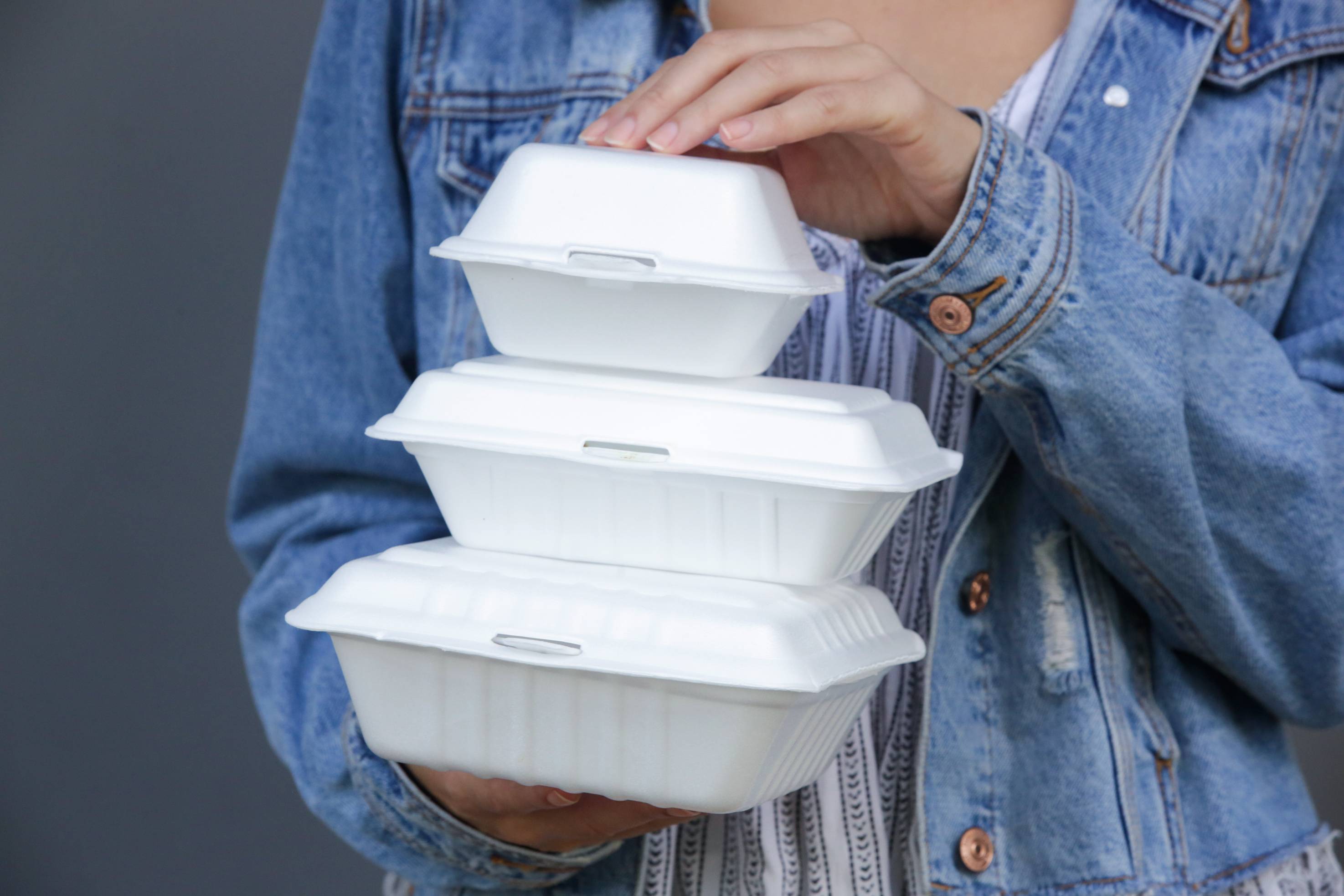
Recycled PS in Foam Food Containers: Sustainable and Cost-Effective Packaging Solution
Introduction
As sustainability becomes a key priority across industries, the food packaging sector is evolving with eco-friendly solutions. One such innovation is the use of recycled PS (Polystyrene) in foam food containers. This material offers a promising alternative to traditional plastic packaging, combining both environmental benefits and cost savings. In this article, we will explore the advantages of using recycled PS in foam food containers, examining its sustainability, cost-effectiveness, and applications within the food industry.
What is Recycled PS?
Recycled PS refers to Polystyrene that has been collected and processed for reuse, primarily sourced from post-consumer products like foam packaging, food containers, and other consumer goods. The recycling process involves breaking down used PS products into small particles, which are then remolded into new products, including foam containers for the food industry. Recycled PS retains the essential properties of virgin PS, such as durability and lightweight characteristics, making it an ideal material for food packaging.
The Environmental Impact of Using Recycled PS in Foam Food Containers
One of the significant advantages of using recycled PS in foam food containers is its positive environmental impact. The production of recycled PS requires less energy and reduces the need for new raw materials, thereby lowering the overall carbon footprint. Recycling PS also helps keep waste out of landfills, contributing to the circular economy. Unlike conventional foam containers, which are made from virgin plastic and can take hundreds of years to decompose, foam containers made from recycled PS are an environmentally responsible choice, reducing plastic pollution and conserving natural resources.
Cost-Effectiveness of Recycled PS in Foam Food Containers
Using recycled PS in food packaging not only benefits the environment but also offers significant cost savings. The production of recycled PS typically costs less than virgin materials due to the reduced need for raw material extraction and processing. This lower material cost translates into affordable prices for manufacturers and consumers alike. Additionally, recycled PS is as durable and effective as virgin PS, meaning businesses don’t have to sacrifice quality for cost-efficiency. Over time, adopting recycled PS can result in substantial cost reductions while maintaining the integrity of the product.
Applications of Recycled PS in the Food Industry
Recycled PS is widely used in various foam food containers, such as takeout boxes, clamshells, trays, and cups. Its versatility and lightweight nature make it an ideal choice for packaging solutions in the food service and retail sectors. The material is also excellent for maintaining food temperature, offering insulation properties that keep food warm or cold during transportation. Several companies in the food industry have successfully transitioned to using recycled PS in their packaging, reducing waste while enhancing their brand’s sustainability efforts.
Regulatory and Quality Standards for Recycled PS in Food Packaging
Recycled PS used in food packaging is subject to strict regulations to ensure safety and quality. In many countries, including the United States, food-grade recycled PS must meet guidelines set by agencies such as the FDA to ensure that it is safe for direct food contact. Manufacturers must ensure that the recycled PS undergoes thorough cleaning and testing processes to remove contaminants and ensure its suitability for food applications. Certifications and quality standards help ensure that the recycled material is as reliable and safe as virgin PS.
Challenges and Future of Recycled PS in Food Packaging
Despite its benefits, there are challenges in sourcing high-quality recycled PS. The process of cleaning and recycling can be complex, and there is often a limited supply of suitable recycled material. However, technological advancements in recycling processes and improved collection methods are expected to overcome these challenges, making recycled PS more readily available for food packaging applications. The future of recycled PS in the food packaging industry looks promising as demand for sustainable materials continues to rise and companies invest in innovative recycling technologies.
Conclusion
Incorporating recycled PS into foam food containers offers both environmental and financial benefits. By reducing carbon emissions, conserving resources, and lowering production costs, recycled PS presents a sustainable and cost-effective packaging solution for the food industry. As businesses move towards greener alternatives, using recycled PS is a step towards a more sustainable future.