

A leading European XPS insulation board manufacturer—one of the largest players in the region—operates multiple state-of-the-art extrusion lines imported from Germany and Italy. With an annual production capacity of several million square meters of XPS boards, its products are widely used in building roof insulation, floor insulation, cold storage systems, and large-scale infrastructure projects.
Backed by advanced production technology and consistent product quality, the company holds a significant share of the European XPS insulation market and serves numerous major construction projects and end customers. Traditionally, the manufacturer has relied on high-quality virgin polystyrene (PS) as its primary raw material to ensure excellent compressive strength, thermal conductivity performance, and dimensional stability.
However, with tightening EU waste regulations and increasing demand from downstream customers for low-carbon and sustainable building materials, the company decided to integrate recycled PS materials into its production system. The goal was to reduce carbon footprint, meet regulatory recycled content requirements, and expand its sustainable product portfolio—without compromising product performance.
To achieve this, the manufacturer partnered with INTCO Recycling , a global leader in recycled polystyrene solutions, to explore the stable and large-scale application of recycled PS pellets in XPS insulation board production.
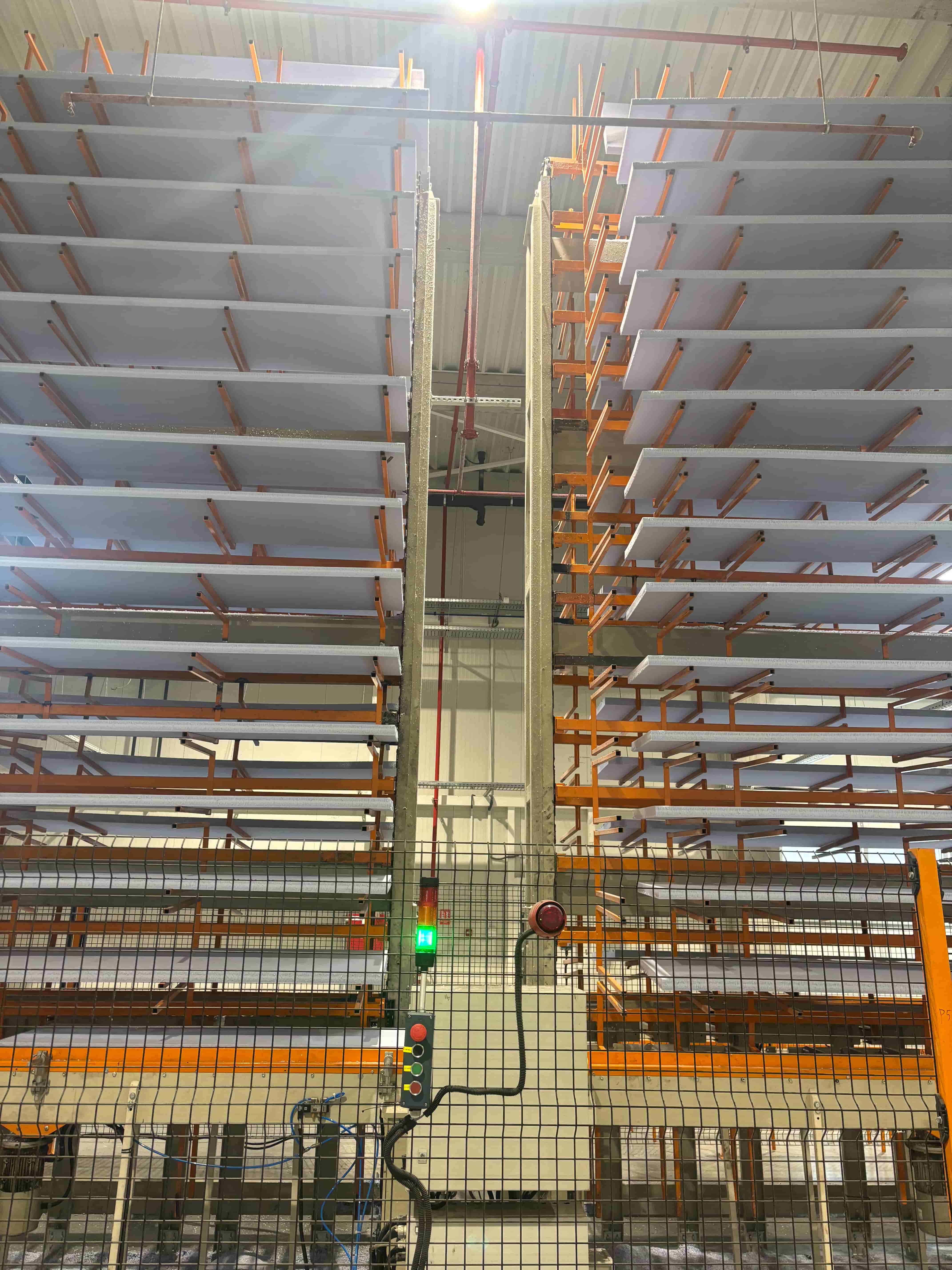
Customer Background and Key Challenges
As a multi-site XPS producer across Europe, the company operates highly automated extrusion systems and has long depended on virgin PS resin. While sustainability targets have been clearly defined, the transition toward recycled content presented several critical challenges:
-
Regulatory Pressure and Market Demand
-
Strict Quality Requirements
-
Limited Experience with Recycled PS Pellets at Scale
-
Supply Chain Stability Requirements
INTCO Recycling’s Integrated Solution
To address these challenges, INTCO Recycling provided a complete “material + technical support” solution covering recycled PS pellet supply, formulation optimization, and process guidance.-
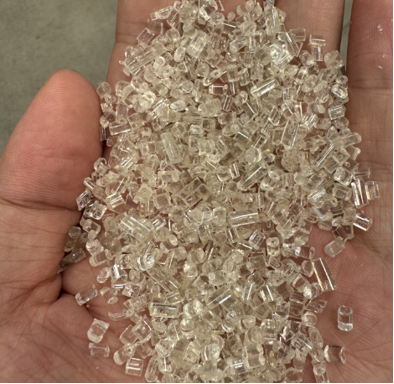
A-Grade Recycled PS Pellets for Virgin Material Substitution
Key characteristics include:
- Stable MFI range: 6–12
- High purity and low volatile content
- Performance close to virgin-grade PS
- Maintain excellent mechanical performance of XPS boards
- Reduce virgin resin consumption
- Lower overall raw material cost
- Meet recycled content compliance requirements
-
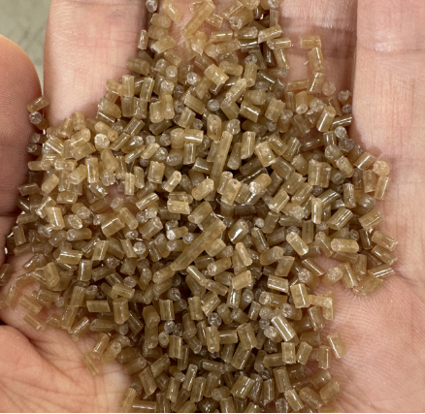
B-Grade Recycled PS for Recovered Material Optimization
INTCO’s B-grade recycled PS pellets (MFI 8–15) were introduced to replace unstable in-house recycled material, particularly for non-structural layers or specific product lines. This upgrade significantly improved:
- Melt flow stability
- Processing consistency
- Final product qualification rate
-
Technical Support and Process Optimization
- Blend ratio optimization: Tailored virgin/recycled PS ratios for different product grades (high-strength boards, standard insulation boards, etc.)
- Process parameter adjustment: Optimization of extrusion temperature, screw speed, and foaming agent dosage to ensure stable foaming and uniform board structure
- Filtration system evaluation: Recommendations on mesh size upgrades and screen change frequency to improve impurity control
- Quality control training: Establishment of incoming inspection standards for recycled PS (MFI, ash content, color index, etc.)
Results and Benefits
After several months of collaboration, the European XPS insulation board manufacturer successfully integrated INTCO recycled PS pellets into its production system, achieving significant improvements across sustainability, cost, and operational performance.
Regulatory Compliance and Enhanced Sustainability Profile
All product lines incorporating recycled PS now meet EU and local recycled content requirements, with some exceeding 20% recycled content. This not only ensures regulatory compliance but also improves green building certification scores and strengthens the company’s sustainability positioning.Maintained Premium Product Quality
Performance testing confirmed that XPS boards produced with INTCO A-grade recycled PS showed no significant difference in compressive strength, thermal conductivity, or dimensional stability compared to virgin material products.Reduced Raw Material Costs
Partial substitution of virgin PS with recycled PS, combined with optimized use of recycled feedstock, significantly reduced overall material procurement costs while maintaining high product quality.Improved Production Stability
Stable MFI and high cleanliness of INTCO recycled PS pellets reduced process fluctuations, minimized production interruptions, and improved extrusion line efficiency and product yield.Established a Sustainable Supply Chain
Through cooperation with INTCO Recycling, the customer established a reliable and scalable recycled PS supply chain, laying a solid foundation for future expansion of recycled content usage.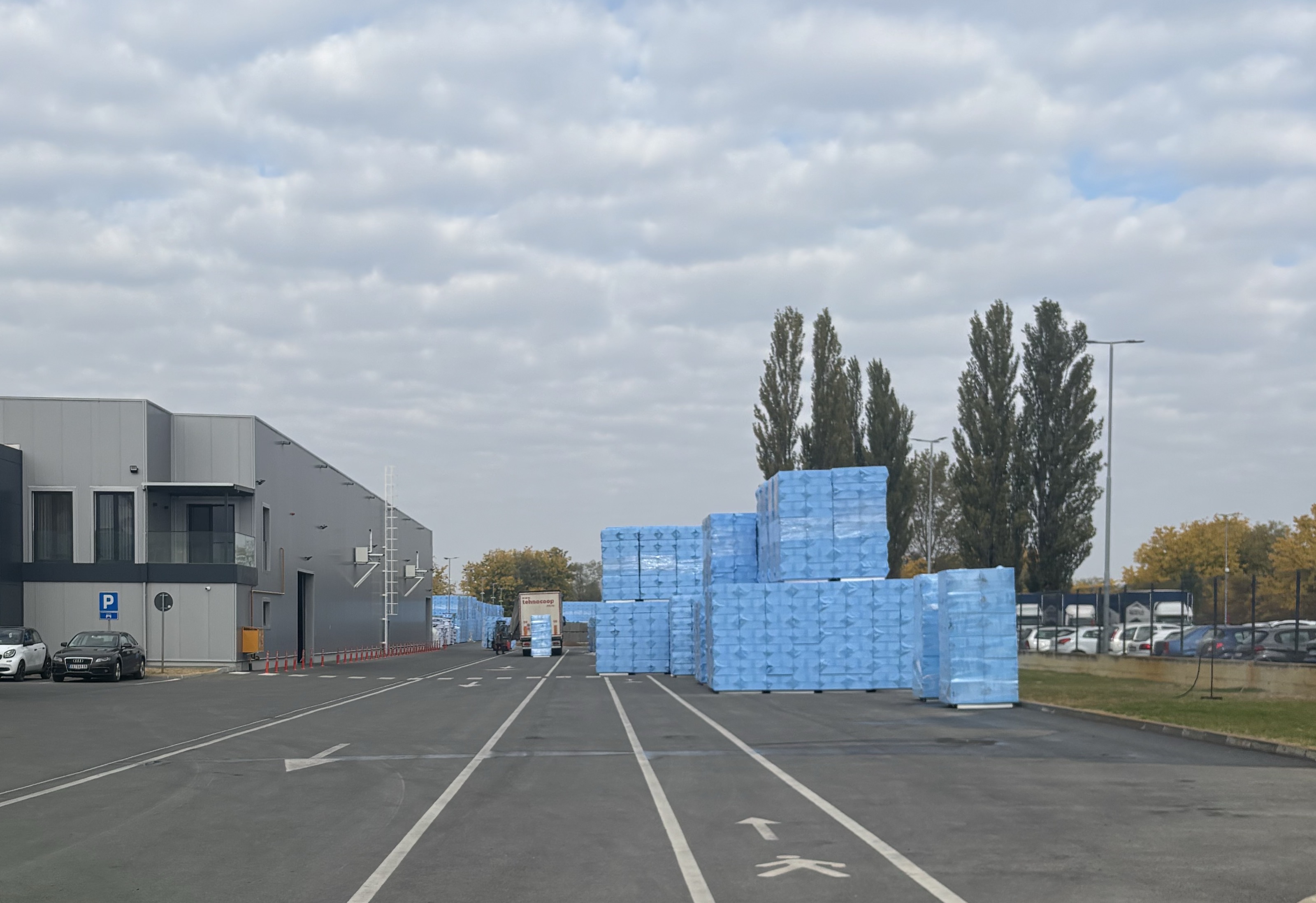
Conclusion
For XPS insulation board manufacturers, recycled materials represent a key pathway to reducing costs and meeting increasingly strict environmental regulations. However, challenges such as unstable melt flow, inconsistent filtration, and lack of operational experience often limit large-scale adoption.INTCO Recycling provides stable, high-quality recycled PS pellets combined with comprehensive technical support. With a dual-grade solution—A-grade for virgin replacement and B-grade for recycled feedstock optimization—INTCO helps manufacturers achieve a balance between performance, stability, and sustainability.
This collaboration with a leading European XPS insulation board producer demonstrates that even high-end manufacturers traditionally relying on virgin materials can successfully transition toward sustainable production. With the right material system and technical partnership, companies can achieve both environmental goals and operational excellence—setting a replicable benchmark for green transformation in the insulation industry.