

Introduction
In the fast food and takeout industries, disposable cutlery is an essential part of providing convenience to customers. As the demand for disposable cutlery increases, there is also a growing need for cost-effective and sustainable materials. Recycled PS (Polystyrene) has become a popular choice in the manufacturing of disposable knives, forks, and spoons due to its strength, lightweight nature, and recyclability. This article explores the key benefits of using recycled PS in cutlery production, from cost savings to environmental impact.
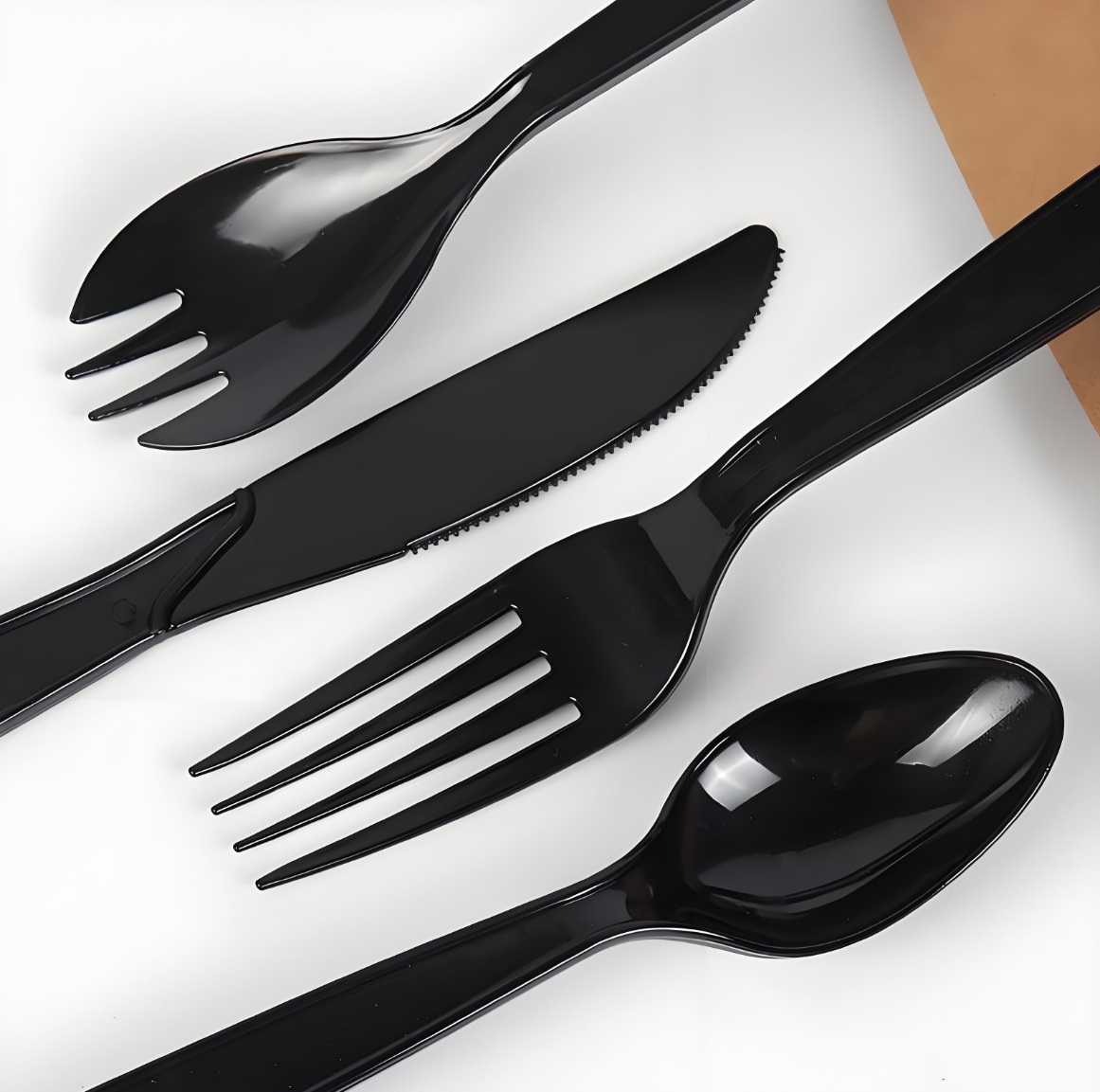
Why Recycled PS is Ideal for Disposable Cutlery
Durability One of the biggest advantages of recycled PS in disposable cutlery is its durability. PS-based cutlery can withstand normal daily use without breaking or
bending. It provides the necessary strength to handle a variety of foods, from soft salads to tough meats, making it a reliable option for disposable knives, forks, and spoons.
Lightweight Recycled PS is a lightweight material, making it easy for both consumers and foodservice providers to handle. Lightweight cutlery helps reduce transportation
costs and improves overall convenience for end users. In addition, lighter cutlery reduces packaging waste, which is a significant concern in the foodservice industry.
Cost-Effectiveness One of the most significant reasons manufacturers turn to recycled PS is its affordability. Recycled materials are generally less expensive than virgin
plastics, enabling manufacturers to reduce production costs. This cost reduction benefits both manufacturers and consumers, keeping prices low without sacrificing quality.
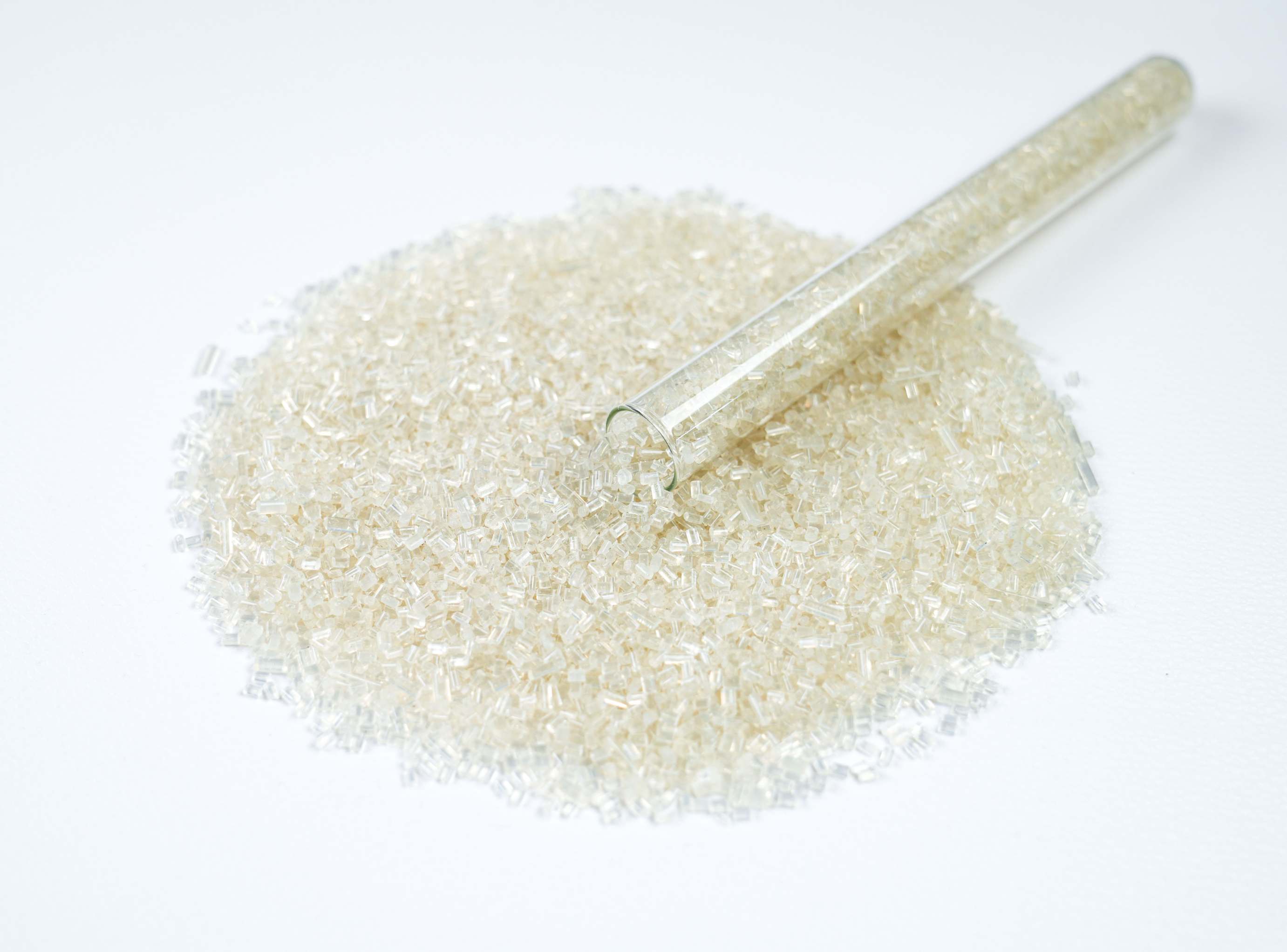
Environmental Impact and Sustainability of Recycled PS
Recycling Benefits The use of recycled PS in disposable cutlery significantly reduces plastic waste. By reusing plastic that would otherwise end up in landfills or oceans,
manufacturers contribute to the circular economy. Recycled PS is not only cost-effective but also eco-friendly, reducing the need for new plastic production and conserving
valuable resources.
Sustainability Recycled PS is a sustainable material that can be continuously recycled. Unlike many other plastic types, PS is relatively easy to process and reuse. This makes
it an excellent choice for manufacturers aiming to reduce their environmental footprint while maintaining the same high-quality standards.
Benefits of Recycled PS in the Manufacturing Process
Molding and Customization Recycled PS has excellent molding properties, allowing it to be easily formed into a variety of shapes and sizes, including knives, forks, and spoons.
Manufacturers can create customized products to suit specific needs or branding requirements, such as different sizes or colors.
Consistency and Quality Despite being recycled, PS pellets maintain a high level of consistency in quality, ensuring that each piece of cutlery meets strict standards. This
consistency minimizes waste and defects, improving the efficiency of the manufacturing process.
The Role of Recycled PS in Reducing Costs and Environmental Footprint
Cost Reduction Using recycled PS helps manufacturers significantly lower production costs. Recycled PS pellets are typically 20%-30% less expensive than virgin PS, making
them an attractive option for businesses looking to cut costs. Additionally, by lowering the cost of raw materials, manufacturers can offer more competitive pricing for consumers.
Environmental Benefits In addition to lowering costs, the use of recycled PS helps reduce the environmental impact associated with traditional plastic manufacturing. By
incorporating recycled materials, manufacturers contribute to reducing plastic waste, lowering energy consumption, and decreasing carbon emissions during production.
Market Trends and Consumer Demand for Sustainable Cutlery
Consumers are increasingly concerned about the environmental impact of disposable products. As a result, there is growing demand for eco-friendly and sustainable disposable
cutlery. Manufacturers who use recycled PS in their products can market them as environmentally responsible alternatives, gaining favor with consumers who prioritize
sustainability.
Regulations Governments worldwide are implementing stricter regulations on single-use plastics. Many regions now require or incentivize the use of recycled materials in
manufacturing. By using recycled PS, manufacturers comply with these regulations and position themselves as leaders in sustainability.
Conclusion
The use of recycled PS in disposable cutlery has become an industry standard due to its strength, cost-effectiveness, and environmental benefits. As manufacturers continue
to adopt more sustainable practices, recycled PS offers a reliable and eco-friendly solution that meets consumer demand for quality, affordability, and sustainability. The future of
disposable cutlery lies in the adoption of materials like recycled PS that not only help reduce costs but also contribute to a more sustainable and environmentally responsible
foodservice industry.