

Introduction
Polystyrene (PS) is one of the most widely used plastics in the world, found in packaging, home appliances, building materials, and consumer goods. As global industries move toward sustainability and carbon reduction, the focus has shifted from traditional Virgin PS to Recycled PS.
Both materials share similar characteristics, but their sources, properties, and environmental impacts differ significantly. Understanding these differences helps manufacturers choose the right material for their needs while supporting a circular economy.
What Is Virgin PS?
Virgin PS (Polystyrene) is a plastic made directly from petroleum-based styrene monomers through polymerization. It is known for its clarity, rigidity, and excellent formability.
There are two main types of Virgin PS:
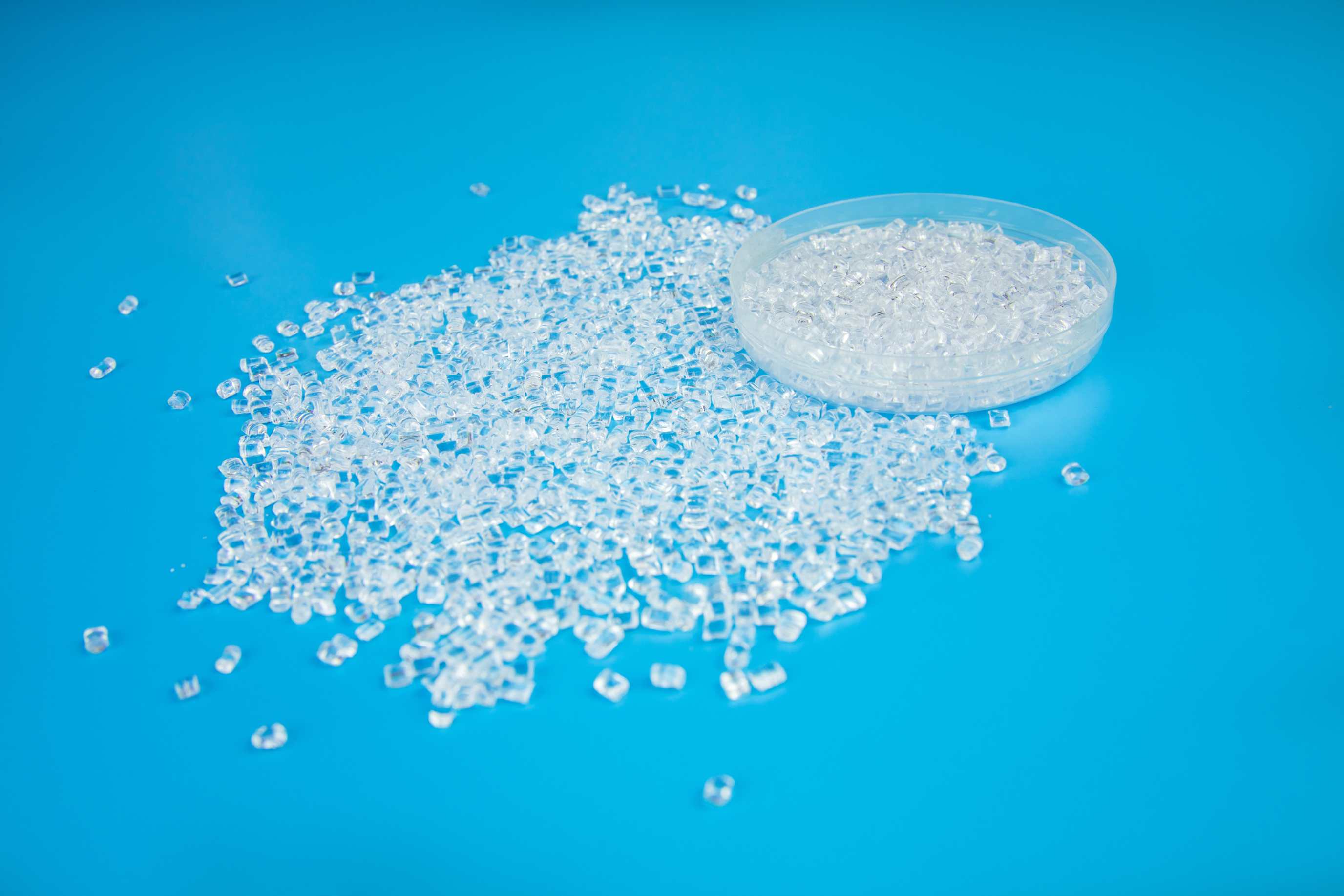
- GPPS (General Purpose Polystyrene) – offers high transparency and good surface gloss, commonly used in food containers and packaging.
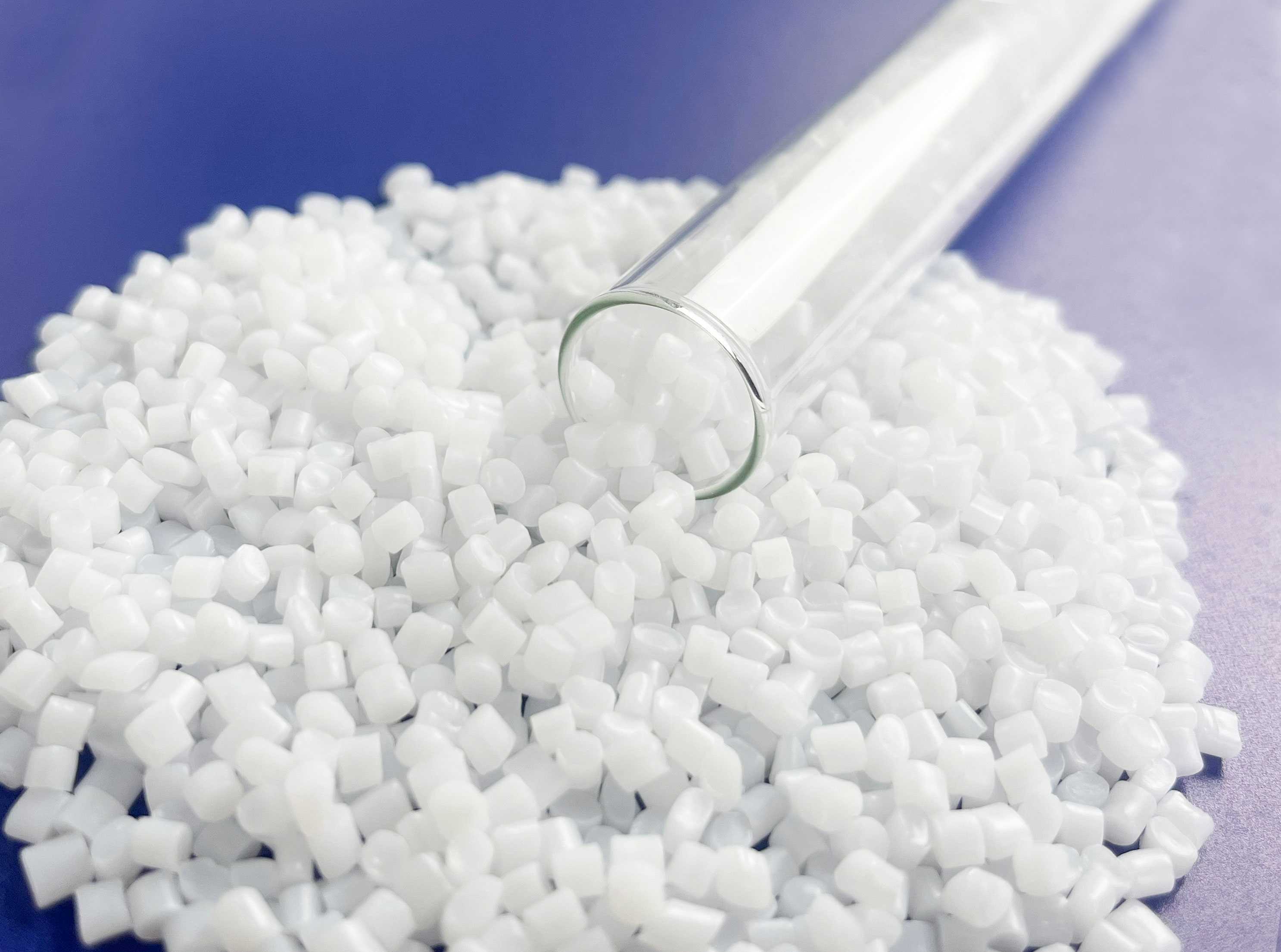
- HIPS (High Impact Polystyrene) – enhanced with rubber to improve toughness and impact resistance, ideal for appliance housings, refrigerator liners, and electronics.
Because Virgin PS is made from new raw materials, it delivers consistent performance and aesthetic quality — but also comes with a higher carbon footprint and greater reliance on fossil resources.
What Is Recycled PS?
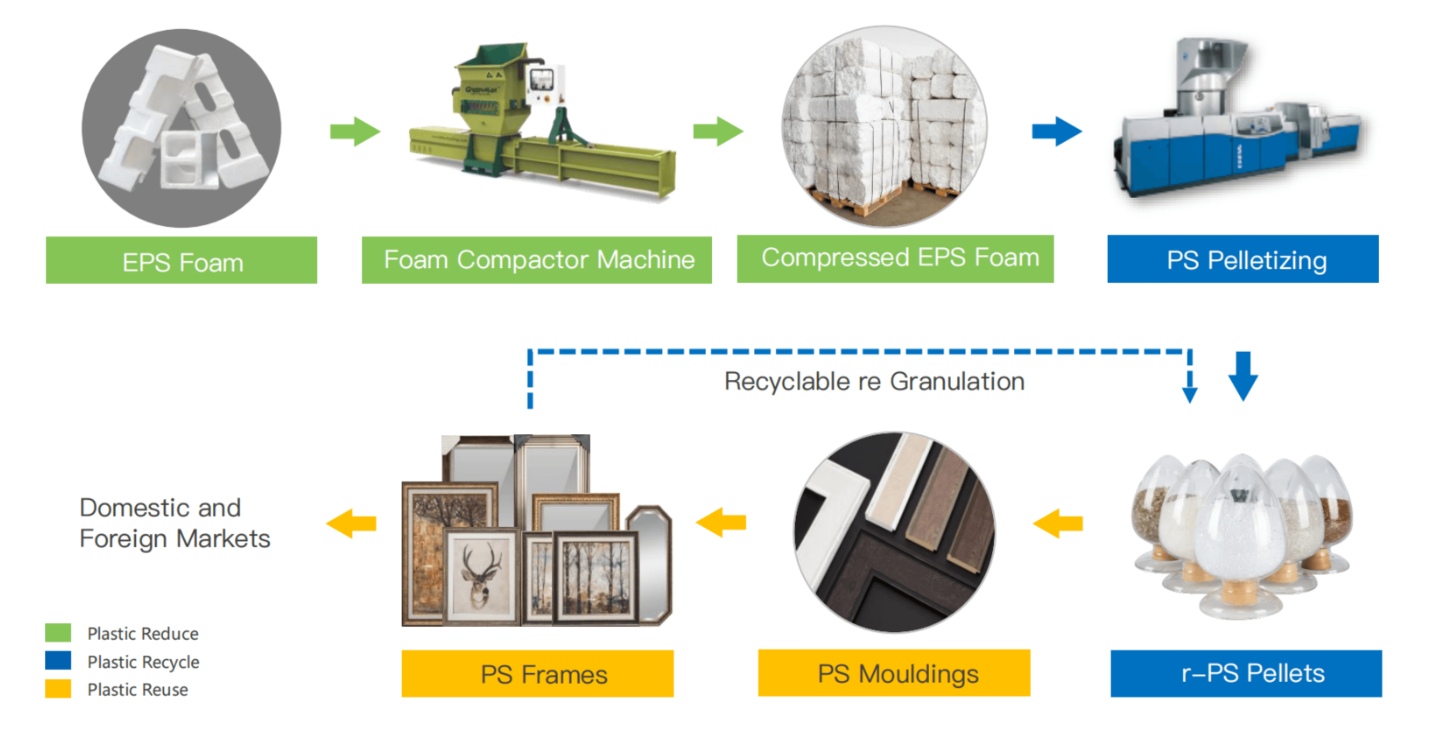
Recycled PS refers to polystyrene that has been recovered from post-consumer or post-industrial waste — such as foam boxes, packaging materials, or used plastic parts — and reprocessed into reusable pellets.
The recycling process typically involves:
- Collection and Sorting
- Cleaning and Crushing
- Melting and Re-granulation
- Modification or Compounding (to enhance performance)
Depending on the recycling method — mechanical recycling or chemical recycling — Recycled PS can achieve different levels of purity and performance. Modern technologies now allow Recycled PS pellets to closely match the properties of Virgin PS while significantly lowering environmental impact.
Key Differences Between Virgin PS and Recycled PS
| Aspect | Virgin PS | Recycled PS |
| Source | Derived from petroleum-based styrene monomers | Made from post-consumer or post-industrial PS waste |
| Purity | 100% pure polymer | May contain minor impurities, depending on recycling process |
| Performance | Excellent mechanical and optical properties | Slightly lower, but can be enhanced by modification |
| Cost | Higher, due to virgin raw material costs | Lower, due to waste-based feedstock |
| Environmental Impact | High carbon footprint | Lower emissions, supports circular economy |
| Applications | Food packaging, electronics, medical products | Construction materials, decorations, general consumer goods |
Recycled PS is not only a cost-effective choice but also a responsible one — aligning with global efforts to reduce plastic waste and build a sustainable future.
Environmental and Economic Benefits of Recycled PS
The shift from Virgin PS to Recycled PS brings both environmental and economic advantages: