

Among them, high-performance rHDPE, also known as recycled high-density polyethylene, has become a practical and cost-effective material choice for many pipe manufacturers. With reliable processing properties, good durability, and strong environmental value, rHDPE pellets can help pipe producers improve competitiveness while supporting more sustainable manufacturing.
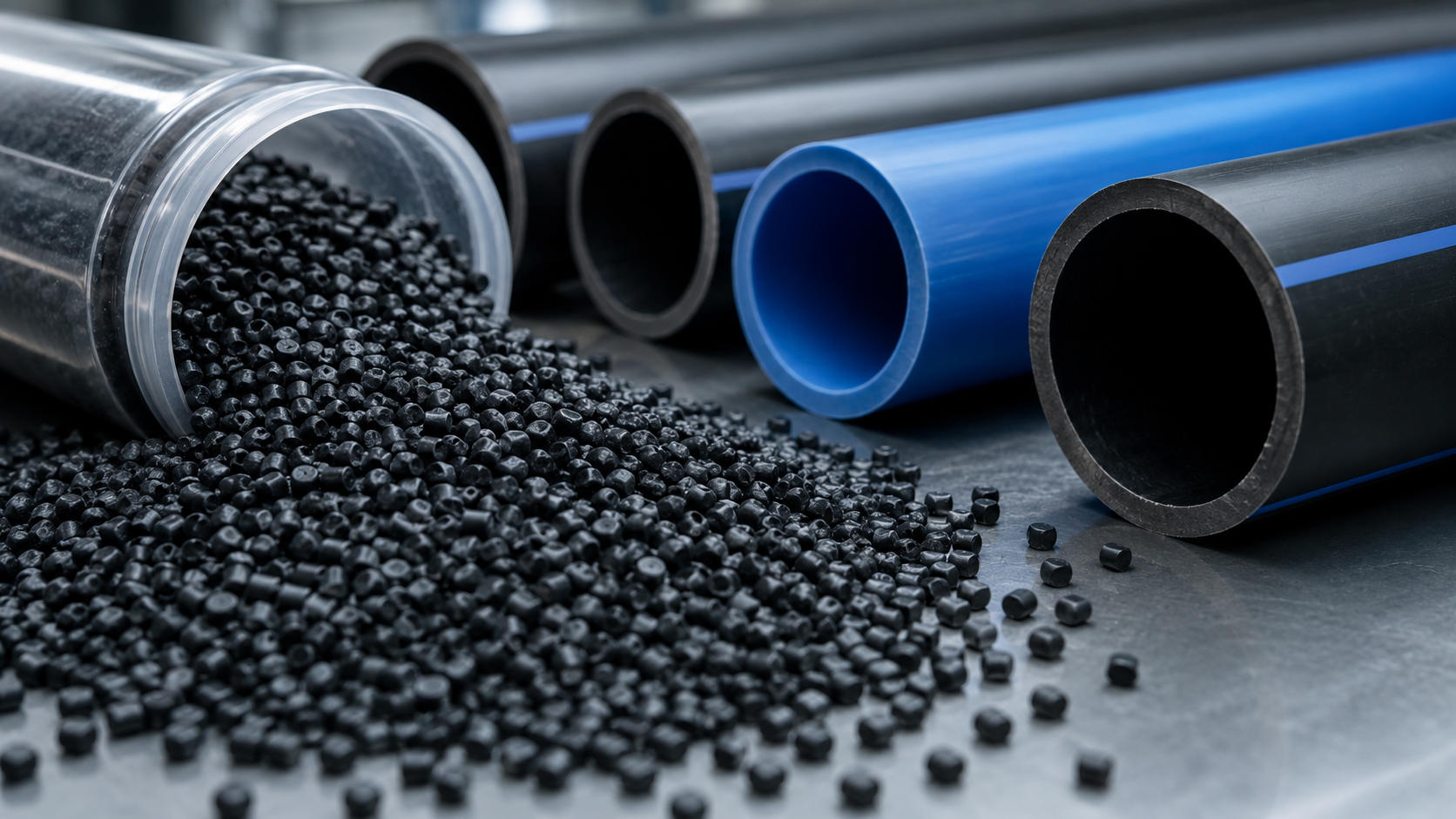
What Makes Recycled HDPE Pellets Suitable for Pipe Manufacturing?
rHDPE is made from recovered HDPE materials that are sorted, cleaned, processed, filtered, and pelletized for reuse in plastic production. When produced under strict quality control, rHDPE can maintain many of the useful characteristics of HDPE, including good toughness, chemical resistance, moisture resistance, and processability.For pipe manufacturers, material consistency is one of the most important factors. High-quality rHDPE pellets can offer stable melt flow, controlled impurity levels, and reliable extrusion performance. This makes them suitable for a range of pipe applications, especially where cost efficiency and sustainability are key purchasing considerations.
rHDPE pellets are commonly considered for products such as drainage pipes, irrigation pipes, cable protection pipes, corrugated pipes, non-pressure pipes, and construction-use pipes. The final application depends on the material grade, production process, and required pipe performance.
Key Benefits of Using High-Performance rHDPE Pellets
One of the main reasons pipe manufacturers choose rHDPE is its ability to help reduce production costs. Compared with virgin HDPE, rHDPE can offer a more economical raw material option for suitable applications. This helps manufacturers manage price pressure while maintaining a competitive position in the market.Another important advantage is processing performance. High-performance rHDPE pellets are designed to support stable pipe extrusion. When the melt flow index, pellet size, and material cleanliness are properly controlled, manufacturers can achieve smoother processing, better production continuity, and fewer interruptions caused by material inconsistency.
Durability is also an important factor. Pipes are often exposed to moisture, soil, chemicals, pressure from installation environments, and long-term outdoor or underground use. Quality rHDPE can provide good toughness and resistance for many pipe applications, especially in non-pressure and utility pipe markets.
Sustainability is another major benefit. Using recycled HDPE helps reduce plastic waste, lowers dependence on virgin plastic resources, and supports circular economy goals. For pipe manufacturers, this can also improve the environmental value of their products and make them more attractive to buyers who care about greener supply chains.
How to Choose the Right rHDPE Pellets for Pipe Production
Not all recycled HDPE materials are the same. For pipe manufacturing, choosing the right rHDPE supplier is just as important as choosing the material itself.A reliable rHDPE pellet should come from a stable raw material source. Consistent feedstock helps reduce batch-to-batch variation and supports more predictable production results. The melt flow index should also be controlled according to the pipe extrusion process, as it directly affects processing stability and product performance.
Low impurity content is another key requirement. Poorly filtered recycled material may contain contaminants that affect pipe appearance, mechanical properties, or production efficiency. Good filtration and quality inspection help reduce these risks.
Pipe manufacturers should also pay attention to pellet size, color consistency, moisture level, and technical data. A professional supplier should be able to provide material specifications, testing support, and application guidance based on the customer’s production needs.
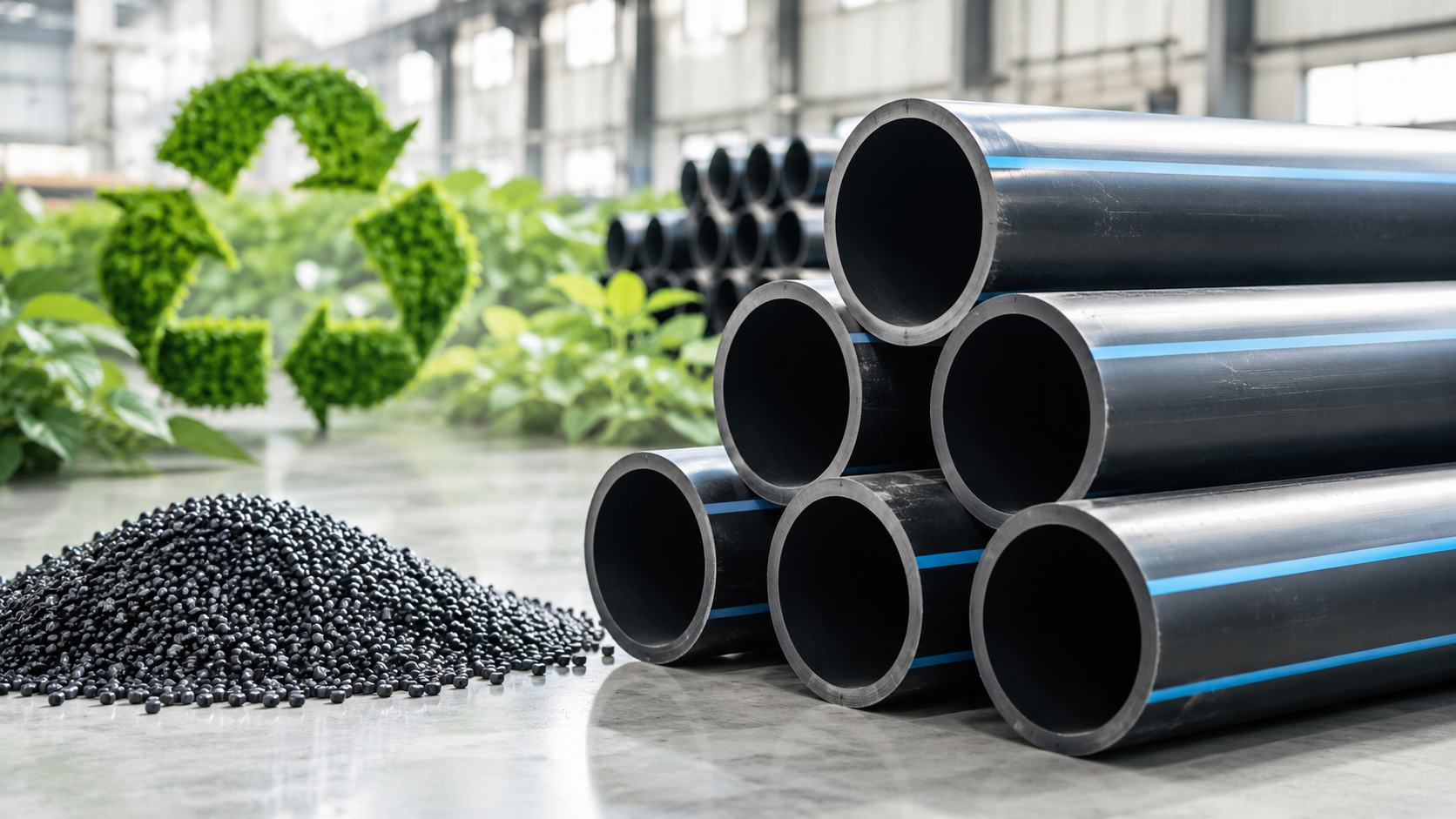
Why Pipe Manufacturers Are Turning to rHDPE
More pipe producers are using high-performance rHDPE because it offers a practical balance between cost, performance, and sustainability. It allows manufacturers to reduce raw material costs, support eco-friendly production, and meet market demand for recycled-content products.For companies producing drainage pipes, cable protection pipes, irrigation pipes, and other non-pressure pipe products, rHDPE can be an especially attractive option. It provides flexibility in formulation and can be used alone or blended with other materials depending on performance requirements.
As the global plastics industry moves toward more responsible material use, rHDPE gives pipe manufacturers a way to stay competitive without ignoring environmental expectations. It is not only a recycled material, but also a strategic choice for businesses looking to improve cost control and strengthen their sustainability profile.
Conclusion
High-performance rHDPE is becoming an ideal material choice for many pipe manufacturing applications. It offers cost advantages, stable processing potential, good durability, and strong environmental value. For pipe manufacturers seeking a reliable recycled material solution, rHDPE pellets can help improve production efficiency, reduce material costs, and support more sustainable product development.Choosing the right rHDPE supplier is essential. With consistent quality control, stable supply, and technical support, high-performance rHDPE can become a valuable raw material for modern pipe production.