

Introduction to Geomembranes and Recycled HDPE
Geomembranes are impermeable layers made of synthetic materials, primarily used in applications such as landfill liners, wastewater treatment, and irrigation systems. They serve as a vital component in environmental protection, ensuring that harmful substances do not contaminate the surrounding soil and water.Among the various materials used for producing geomembranes, recycled HDPE (High-Density Polyethylene) has gained significant attention for its sustainability, cost-effectiveness, and excellent performance characteristics. This article will explore the key benefits of using recycled HDPE particles in geomembrane production and how it contributes to environmental conservation, cost savings, and long-term durability in various applications.
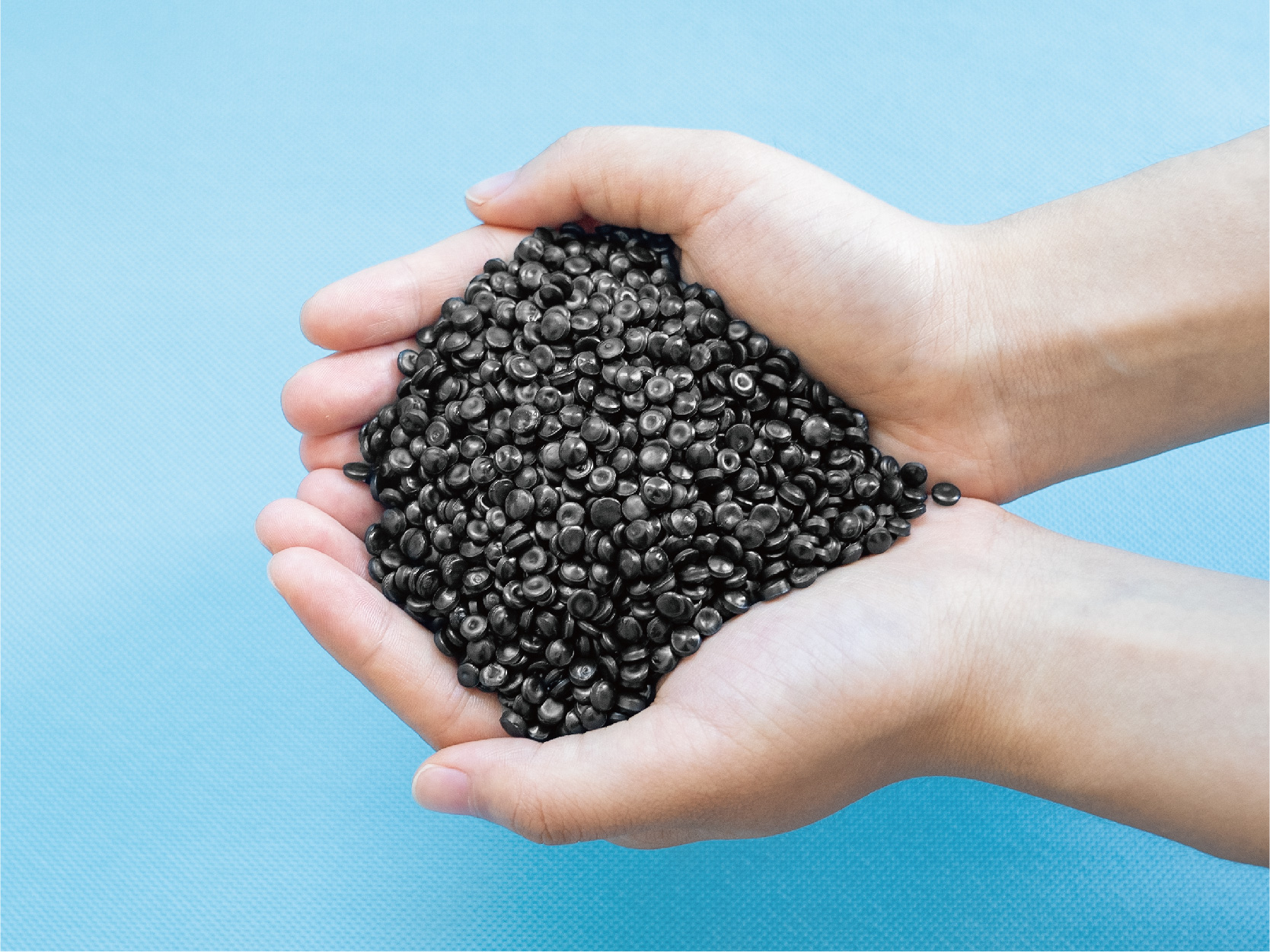
Key Advantages of Using Recycled HDPE Particles in Geomembranes
Environmental Benefits
Reducing Plastic Waste
One of the main advantages of using recycled HDPE in geomembrane production is its role in reducing plastic waste. By repurposing post-consumer plastic, recycled HDPE helps close the loop in the plastic recycling process, contributing to the reduction of landfill waste.Lower Carbon Footprint
The production of recycled HDPE consumes less energy compared to virgin HDPE. This results in a significant reduction in carbon emissions during the manufacturing process. Using recycled materials not only decreases the environmental impact but also aligns with global sustainability goals and circular economy practices.Cost Efficiency
Affordable Alternative to Virgin HDPE
In comparison to virgin HDPE, recycled HDPE particles are more cost-effective. The price difference allows manufacturers to produce geomembranes at a lower cost, offering a more affordable solution for large-scale infrastructure projects. This cost efficiency is especially beneficial in large applications such as landfills, reservoirs, and mining projects.Economic Advantages in Large-Scale Projects
For large-scale projects requiring vast quantities of geomembranes, recycled HDPE provides a significant cost advantage. Construction companies and municipalities can save on material costs, making the use of recycled HDPE a viable and budget-friendly option for a wide range of environmental applications.Durability and Performance
Strength and Flexibility of Recycled HDPE
Recycled HDPE retains many of the same strong performance characteristics as virgin HDPE. It exhibits high tensile strength, puncture resistance, and flexibility, making it suitable for various applications in geomembrane production. These properties are crucial for ensuring the longevity and functionality of geomembranes in challenging environments.Improved Resistance to Environmental Conditions
Recycled HDPE geomembranes are highly resistant to environmental factors such as UV radiation, temperature fluctuations, and chemical exposure. This resistance ensures that the geomembranes maintain their structural integrity and perform effectively over time, even in harsh conditions like landfills or wastewater treatment facilities.Applications of Geomembranes Made from Recycled HDPE Particles
Landfill Liners and Waste Management
One of the primary applications of recycled HDPE geomembranes is in landfill liners. These geomembranes prevent the migration of harmful liquids (leachate) from landfills into the surrounding environment, effectively protecting soil and groundwater from contamination. The durability and chemical resistance of recycled HDPE make it an ideal material for waste containment systems.Wastewater Treatment and Reservoir Lining
Recycled HDPE is also commonly used in wastewater treatment plants and reservoir lining systems. The material’s resistance to chemicals and water makes it an excellent choice for applications where exposure to moisture and harsh chemicals is frequent. By using recycled HDPE in these systems, municipalities can reduce costs while ensuring long-term functionality.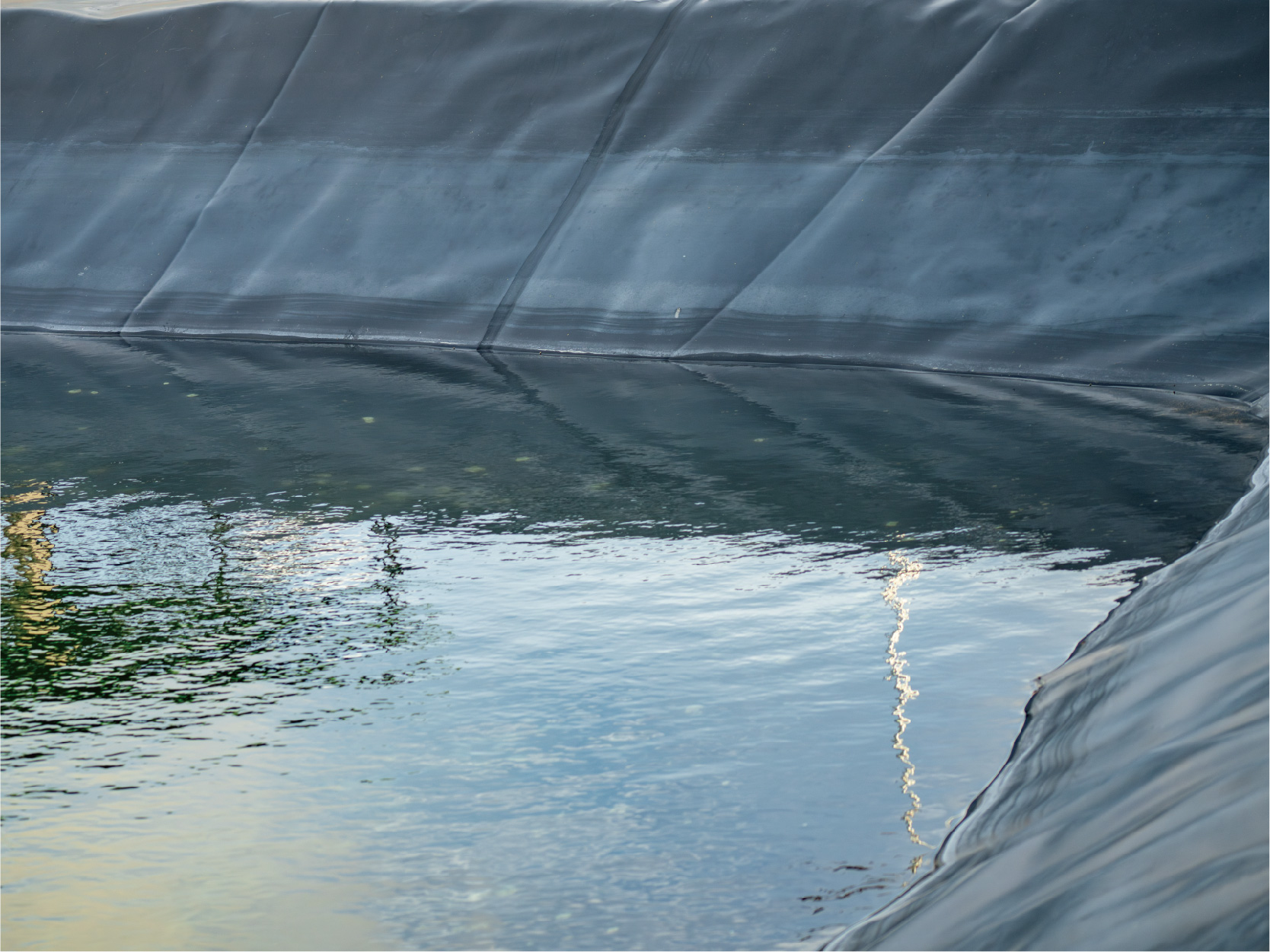
Mining and Civil Engineering Projects
In mining applications, recycled HDPE is used to line waste storage areas, tailing ponds, and leachate collection systems. Its puncture resistance and durability help prevent soil contamination and enhance operational efficiency. In civil engineering projects, recycled HDPE geomembranes are used for dam linings, water containment systems, and tunnel construction.The Future of Recycled HDPE in Geomembrane Production
As environmental concerns continue to drive the adoption of sustainable materials, the demand for recycled HDPE in geomembrane production is expected to grow. Innovations in recycling technology and material science are improving the performance and quality of recycled HDPE, making it a more attractive option for large-scale infrastructure projects.The market for sustainable geomembrane materials is expanding, and recycled HDPE will play a key role in meeting the growing demand for eco-friendly solutions in construction, waste management, and environmental protection.