

Introduction to Recycled HDPE in the Pipe Industry
As global demand for sustainable construction materials continues to rise, recycled HDPE has emerged as a reliable and competitive option for pipe manufacturing. Industries such as water infrastructure, drainage, sewage treatment, agricultural irrigation, and electrical conduit systems increasingly rely on recycled HDPE resin because it offers strong performance, environmental benefits, and cost efficiency. With many manufacturers seeking ways to reduce carbon footprint while maintaining product quality, recycled HDPE for pipes is gaining significant attention across global markets.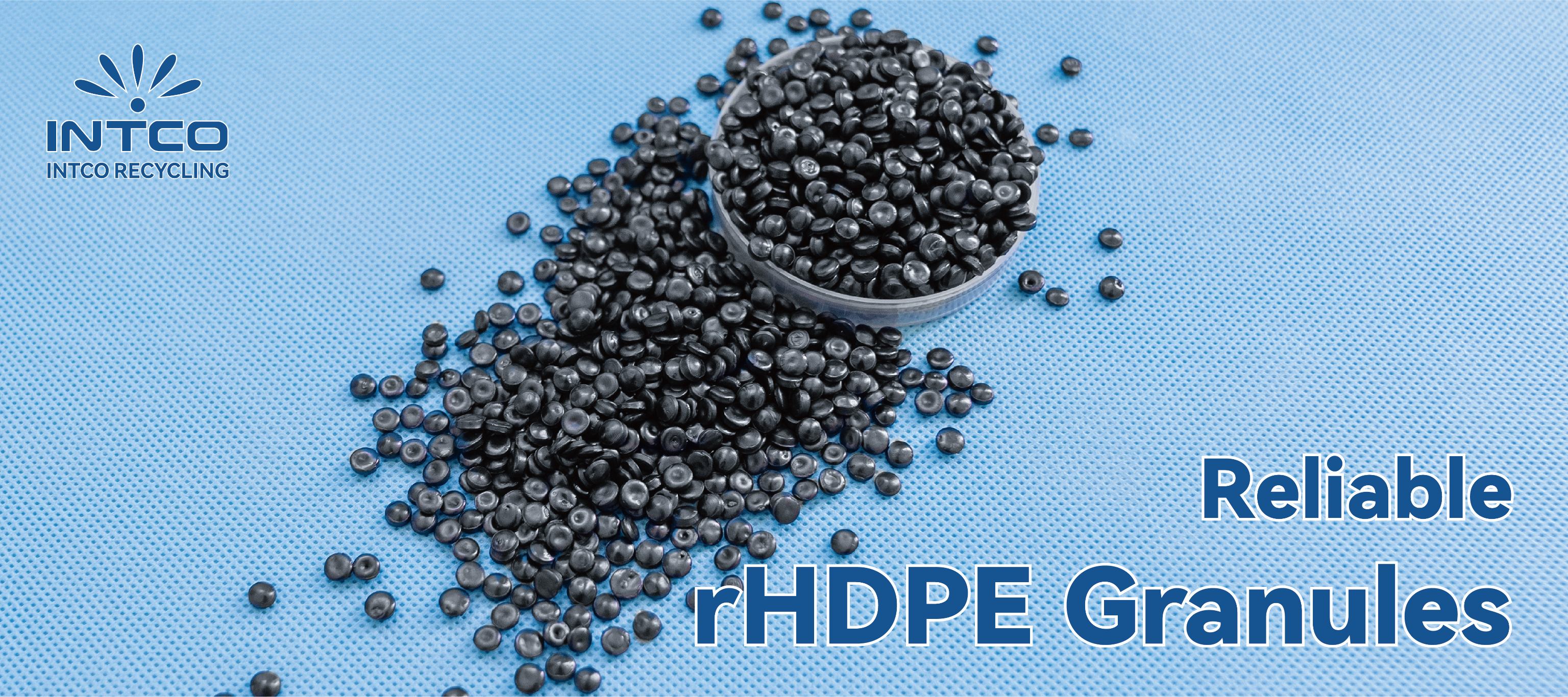
Key Material Properties That Make Recycled HDPE Suitable for Pipes
High Durability and Impact Resistance
One of the strongest advantages of recycled HDPE pellets is their excellent durability. HDPE’s molecular structure provides high impact strength and resistance to deformation. This makes recycled HDPE pipes suitable for applications such as water transportation, drainage networks, and low-pressure sewage systems. Even underground load, soil movement, or pressure fluctuations, recycled HDPE pipes maintain structural integrity.Excellent Chemical Resistance
HDPE is well known for its outstanding chemical resistance, and this property remains consistent even when using recycled HDPE material. The material resists acids, bases, salts, and many industrial chemicals, making it highly effective in:- Chemical drainage systems
- Agricultural irrigation
- Industrial wastewater pipelines
UV and Weather Resistance
For outdoor applications, recycled HDPE demonstrates excellent stability under UV radiation and varying weather conditions. Pipes made from recycled HDPE remain resistant to sunlight exposure, moisture, and temperature changes, which significantly extends service life.Flexibility and Crack Resistance
Unlike more brittle pipe materials, HDPE offers natural flexibility and superior resistance to slow crack growth. This makes recycled HDPE pipes ideal for:- Long-distance water supply pipelines
- Underground installations
- Trenchless pipe-laying technologies HDPE’s flexibility reduces installation time, minimizes risk of breakage, and lowers maintenance costs.
Comparing Recycled HDPE vs. Virgin HDPE in Pipe Manufacturing
Mechanical Performance
While virgin HDPE traditionally led the market, advancements in recycling technologies have improved the consistency and purity of recycled HDPE resin. Today, many performance tests show that recycled HDPE meets or closely matches the mechanical requirements of virgin-grade materials—especially in non-pressure pipe applications such as:- Drainage pipes
- Conduit pipes
- Sewage outlets
Cost Efficiency
One of the major reasons manufacturers adopt recycled HDPE for pipe production is cost reduction. Recycled materials typically offer a more stable and competitive price, helping manufacturers reduce production costs without sacrificing quality.Environmental Benefits and Sustainability
Using recycled HDPE supports global sustainability goals. As a sustainable pipe material, it significantly reduces energy consumption, CO₂ emissions, and landfill waste. Many companies choose recycled HDPE to align with ESG standards, government regulations, and circular economy initiatives.Common Applications of Recycled HDPE in Pipe Systems
Water Supply and Drainage Systems
Recycled HDPE pipes are widely used in municipal and residential water drainage networks. Their resistance to corrosion and abrasion makes them a safe and durable solution.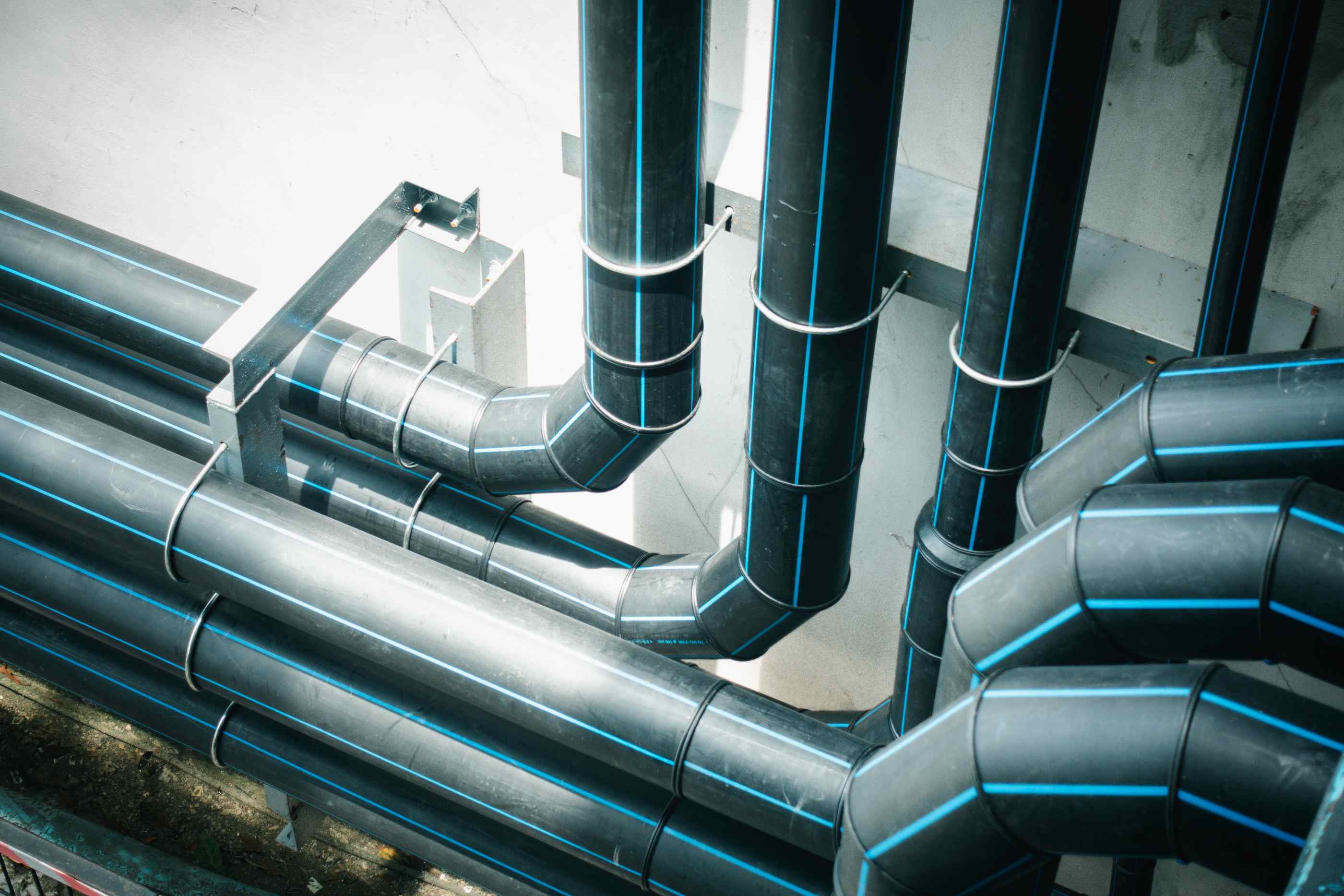
Sewage and Wastewater Systems
Because recycled HDPE resists chemicals and biological agents, it performs well in sewage systems that require long-term reliability and minimal maintenance.Agricultural Irrigation Pipes
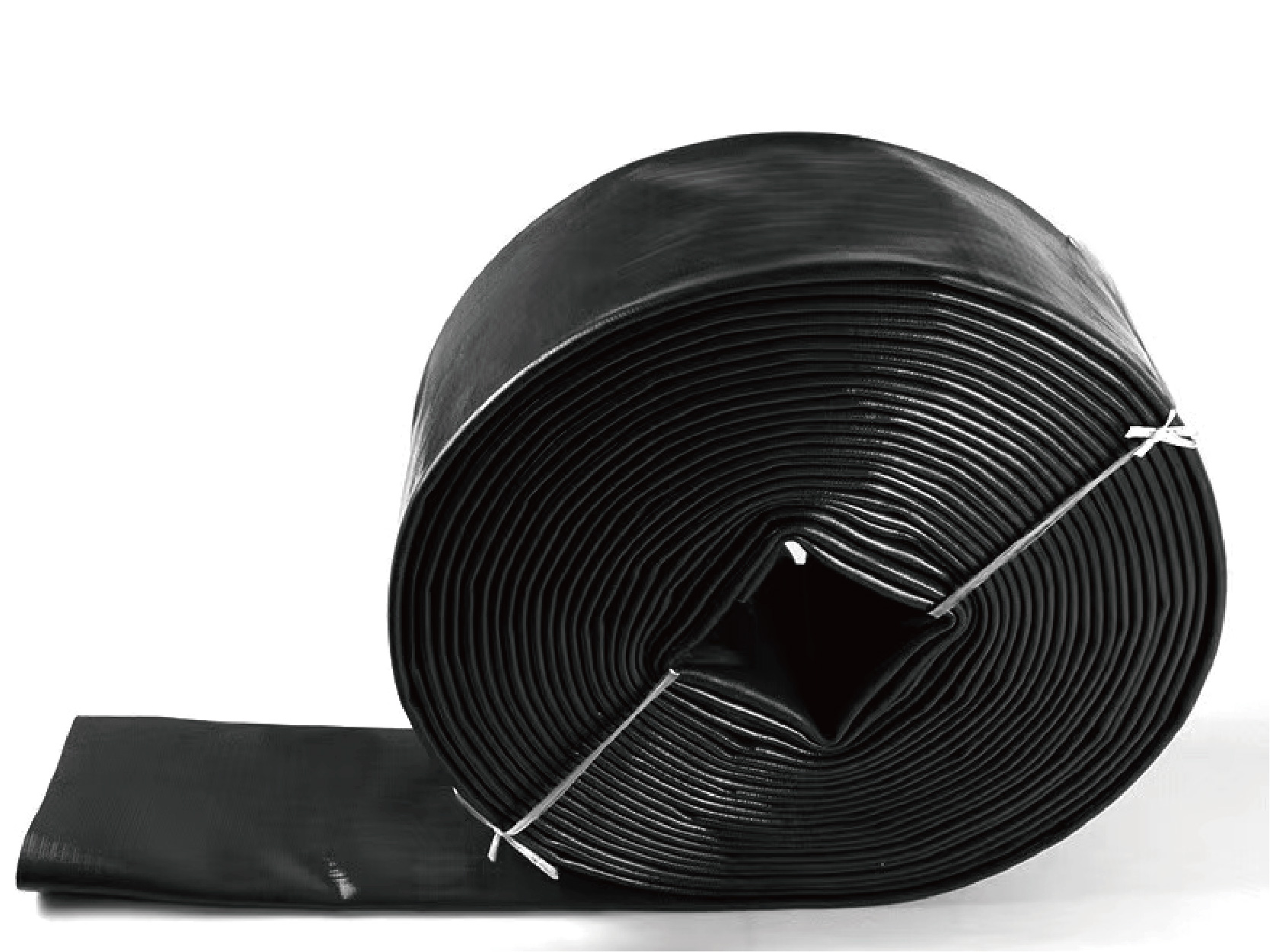
In agricultural applications, recycled HDPE irrigation pipes offer:- Lightweight handling
- Long-term durability
- Resistance to fertilizers and soil chemicals This provides farmers with a cost-effective and stable piping solution.
Electrical Conduit and Cable Protection Pipes
The impact resistance and flexibility of recycled HDPE resin make it ideal for conduit pipes used in power infrastructure and communication networks.Quality Requirements and International Standards
When producing pipes with recycled HDPE pellets, maintaining quality control is essential. Key material indicators include:- Melt Flow Index (MFI)
- Density
- Moisture content
- Ash content
- Tensile strength
- ISO 4427 for HDPE piping
- ASTM D3350 for polyethylene material classification
Market Adoption and Global Trends
As the adoption of recycled plastics grows worldwide, recycled HDPE is rapidly gaining market share in pipe manufacturing. Several factors contribute to this shift:- Government regulations encouraging recycled content
- Growing acceptance among construction engineers
- Increasing demand for eco-friendly infrastructure materials
- Improved recycling technologies that enhance material purity
Conclusion: Why Recycled HDPE Is a Smart Choice for Modern Pipe Production
Recycled HDPE offers a strong combination of durability, chemical resistance, flexibility, and sustainability—making it a highly reliable material for pipe production. As industries across the world push for greener solutions, recycled HDPE for pipes stands out as one of the most practical and efficient options for manufacturers.By integrating recycled HDPE into pipe systems, companies can reduce material costs, meet environmental regulations, and contribute to a circular economy—while still delivering high-performance piping solutions.