

Introduction
Blown film manufacturing plays a crucial role in the production of flexible packaging materials, which are used in a wide array of industries, from food packaging to retail. With an increasing demand for sustainable solutions, manufacturers are seeking alternatives to virgin plastic to reduce their environmental footprint and lower costs. One such solution is the use of recycled polyethylene (PE) pellets in the production of blown film.Recycled PE pellets are made from post-consumer polyethylene waste, which is processed and repurposed for manufacturing purposes. By integrating recycled PE pellets into blown film production, businesses can achieve a significant reduction in material costs while still maintaining the high-quality standards necessary for packaging applications. In this article, we will explore how recycled PE pellets provide a cost-effective, sustainable solution for blown film manufacturing without compromising on quality.
What Are Recycled PE Pellets?
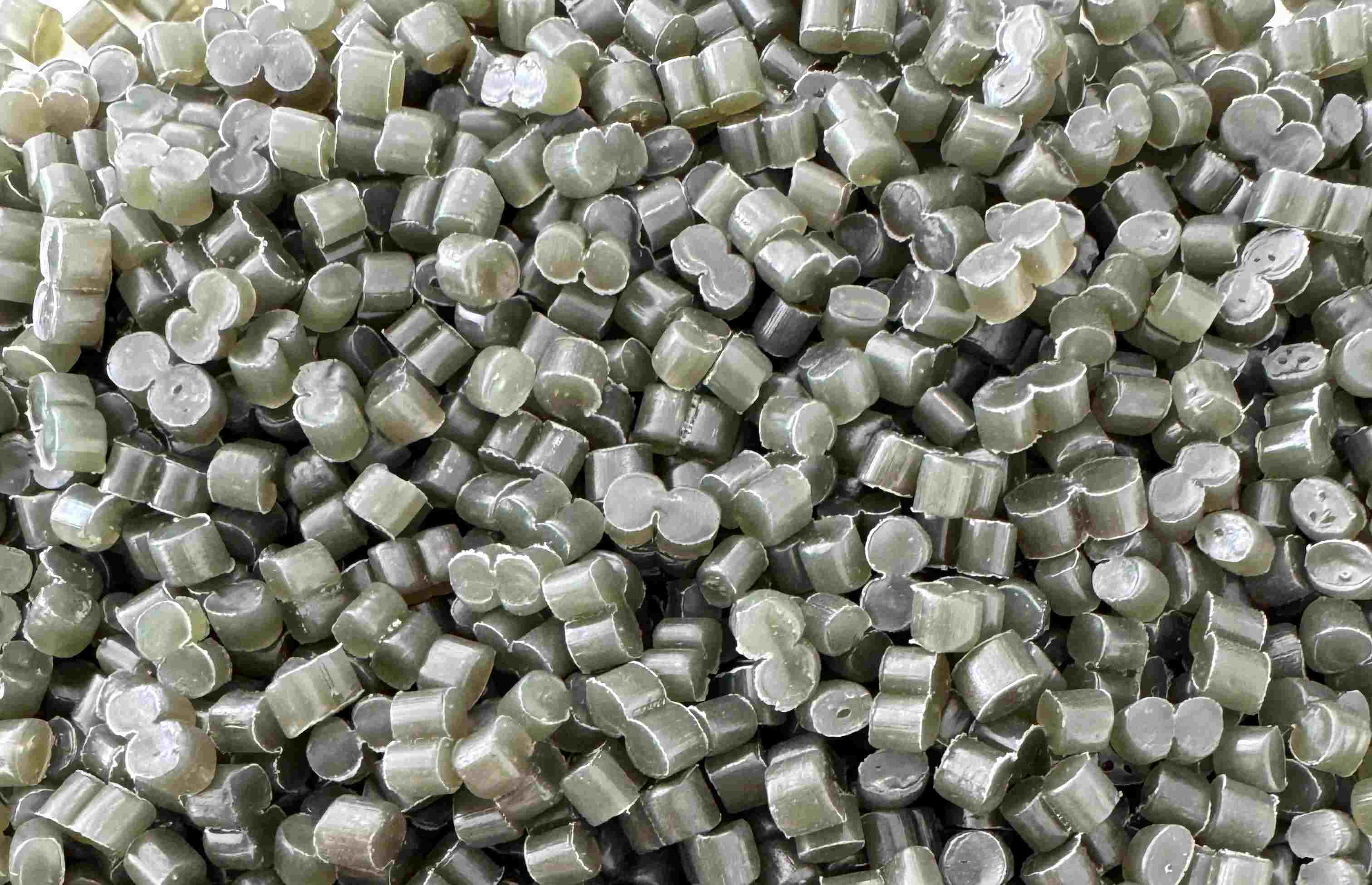
Recycled PE pellets are small, uniform granules made from post-consumer polyethylene waste. The process of creating these pellets begins with collecting and sorting polyethylene waste, which is then cleaned, shredded, melted, and reformed into pellets. These pellets are used in manufacturing various products, including blown film, by substituting the need for virgin polyethylene.The types of PE used in recycling include High-Density Polyethylene (HDPE) and Low-Density Polyethylene (LDPE). Both types of PE can be recycled into high-quality pellets suitable for manufacturing. The recycling process helps reduce the amount of plastic waste entering landfills, contributing to environmental conservation and the reduction of plastic pollution.
Quality of Recycled PE Pellets in Blown Film Manufacturing
One of the key concerns when using recycled materials is ensuring that the quality of the final product is not compromised. Fortunately, modern recycling technologies have made significant advancements in improving the quality of recycled PE pellets. These advancements ensure that recycled PE pellets meet the stringent requirements for blown film applications.Maintaining High Quality Standards: Advanced sorting, cleaning, and pelletizing processes help remove contaminants and ensure that the final recycled PE pellets are of high quality. Furthermore, the pellets are tested to ensure they meet the standards necessary for blown film production, including factors like flexibility, strength, and durability.
Comparing with Virgin PE: While virgin PE has long been the standard in blown film production, recycled PE pellets are increasingly comparable in terms of quality. Thanks to continuous improvements in recycling technology, the performance of recycled PE in blown film manufacturing is almost on par with virgin PE, offering similar properties such as clarity, strength, and flexibility.
Testing and Certification: To ensure that recycled PE pellets meet industry standards, manufacturers often require certification and testing. These tests ensure that the pellets meet safety and performance criteria, making them suitable for various packaging applications.
Cost Benefits of Using Recycled PE Pellets
One of the most compelling reasons for using recycled PE pellets in blown film manufacturing is the significant cost savings they offer compared to virgin PE. As raw material costs continue to rise, switching to recycled materials provides manufacturers with a more affordable alternative.Lower Raw Material Costs: Recycled PE pellets are generally less expensive than virgin polyethylene because they are made from recycled plastic waste, which is more cost-effective to procure than extracting and processing raw polyethylene. By integrating recycled PE pellets into blown film production, manufacturers can cut down on material costs significantly.
Production Efficiency and Savings: The use of recycled PE pellets can also improve production efficiency. For instance, the process of integrating recycled materials often requires less energy compared to the production of virgin materials, leading to further cost savings. Additionally, the transportation and logistics of recycled PE pellets can be more cost-effective due to their availability from local recycling facilities.
Long-Term Cost Savings: In the long run, adopting recycled PE pellets helps manufacturers reduce their reliance on petroleum-based virgin plastics, which are subject to price fluctuations due to changes in oil prices. By using recycled materials, manufacturers can achieve more predictable cost structures.
Environmental and Sustainability Advantages
In addition to the cost benefits, using recycled PE pellets contributes to environmental sustainability, which is increasingly important in today's global market.Reducing Carbon Footprint: Using recycled PE pellets helps reduce the carbon footprint of the packaging industry. Recycling polyethylene requires less energy compared to producing virgin polyethylene, leading to lower greenhouse gas emissions. This aligns with the growing trend of sustainable manufacturing and can help companies meet their environmental goals.
Conserving Resources: Recycling PE pellets conserves virgin plastic resources, reducing the need for oil extraction and the environmental impact associated with petroleum-based plastic production. This is a key step in promoting circular economy practices and minimizing plastic waste.
Meeting Industry Sustainability Goals: As consumers and governments place greater emphasis on sustainability, manufacturers are increasingly required to meet sustainability goals. By adopting recycled PE pellets, companies can demonstrate their commitment to eco-friendly practices, making their products more attractive to environmentally conscious consumers.
How Recycled PE Pellets Are Used in Blown Film
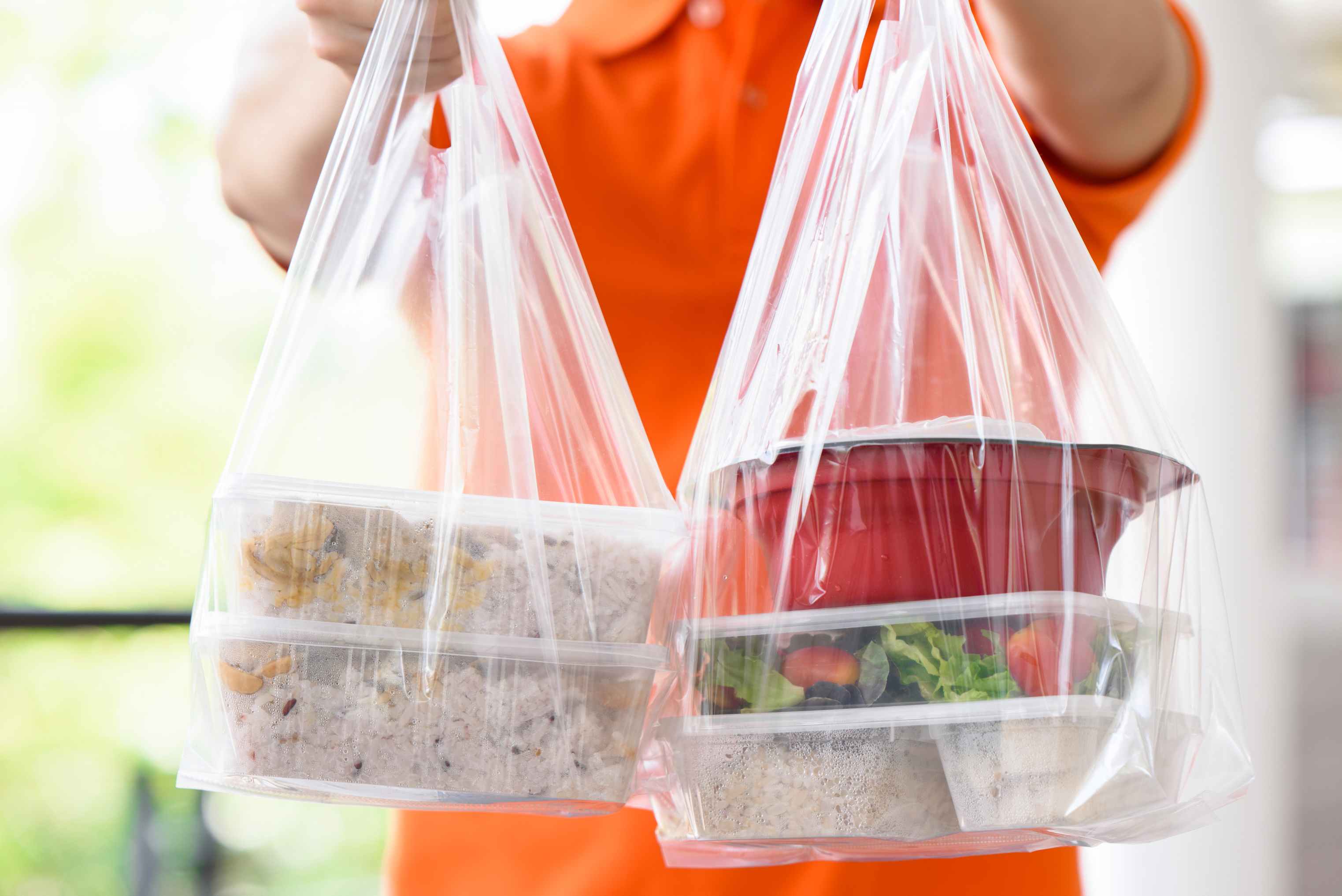
Recycled PE pellets are widely used in blown film manufacturing, where they are processed into various packaging materials. Blown film production involves extruding plastic pellets into thin films that can be used for a wide variety of applications, including food packaging, plastic bags, and shrink wraps.Application in Packaging: The flexibility, strength, and durability of recycled PE make it ideal for use in packaging applications. Recycled PE pellets are used in the production of shopping bags, stretch wraps, and various types of industrial packaging.
Customization for Specific Needs: The properties of recycled PE pellets can be tailored to meet the specific requirements of different blown film applications. For example, recycled PE can be adjusted to achieve the desired thickness, strength, and transparency for different types of packaging.
Examples of Successful Applications: Companies across various industries have successfully adopted recycled PE pellets for blown film production, helping them reduce costs and meet their sustainability objectives. For example, many large retail chains now use recycled PE for their plastic shopping bags and packaging materials.
Challenges and Future of Recycled PE Pellets in Blown Film Manufacturing
While the use of recycled PE pellets in blown film manufacturing offers numerous benefits, there are still challenges that need to be addressed.Challenges in Recycling: Contamination of recycled materials remains a challenge, as impurities can affect the quality of the final product. Ensuring that recycled PE pellets are free from contaminants and meet industry standards is crucial for widespread adoption.
Future Trends: Advances in recycling technologies will continue to improve the quality and efficiency of recycled PE pellets. Innovations such as chemical recycling, which breaks down plastic to its original monomers, could further enhance the quality of recycled PE and expand its potential applications.
Regulatory and Market Demand: As regulations around plastic waste and recycling become stricter, the demand for recycled materials is expected to increase. Governments and industry stakeholders will continue to support the adoption of recycled PE pellets as part of their sustainability initiatives.
Conclusion
Recycled PE pellets offer a quality-driven, low-cost solution for blown film manufacturing, making them an ideal choice for businesses looking to reduce costs while supporting sustainable practices. By using recycled PE pellets, manufacturers can contribute to reducing plastic waste, conserving resources, and lowering their environmental impact. With advancements in recycling technology and increasing market demand for sustainable packaging, the future of recycled PE in blown film production looks promising.