

What is Recycled PET?
Recycled PET (rPET) is a material created by collecting used PET products, typically plastic bottles, and processing them into a form that can be reused. Unlike virgin PET, which is made from petroleum-based resources, recycled PET helps reduce the environmental burden associated with plastic production and waste.PET is widely recognized for its durability, versatility, and recyclability, making it an ideal choice for repurposing. The process of transforming used plastic bottles into fibers for the textile industry is not only an eco-friendly solution but also an innovative way to reduce the amount of plastic that ends up in landfills and oceans.
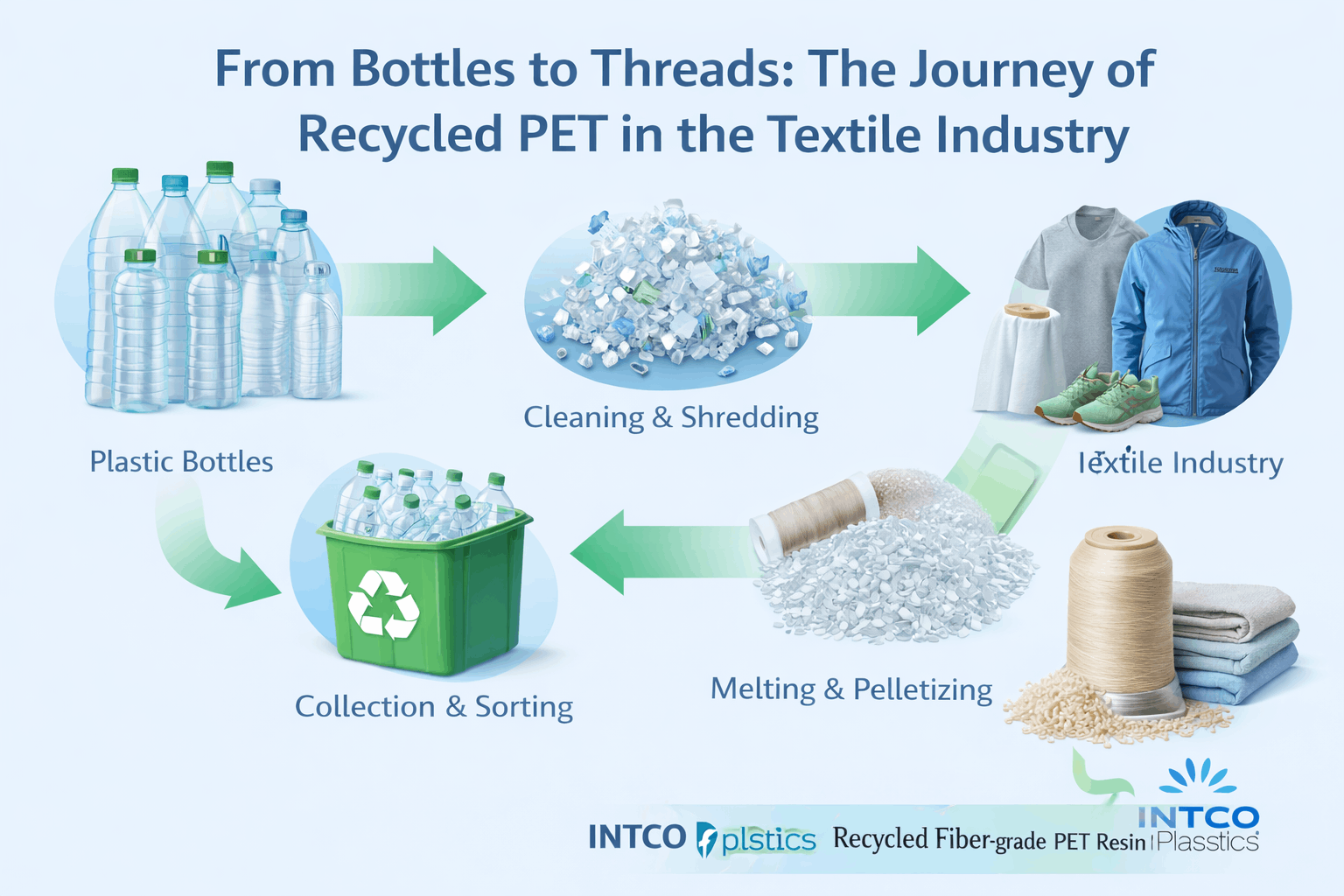
The Recycling Process: From Bottles to Threads
- Collection and Sorting The first step in the journey of recycled PET is collecting used plastic bottles from recycling bins and sorting them to remove contaminants. PET bottles are separated from other plastics and materials to ensure that the final product is of the highest quality.
- Cleaning and Sterilizing Once sorted, the bottles are thoroughly cleaned to remove labels, caps, and any remaining liquids. This step is essential to ensure that the recycled PET is free from any impurities that could affect the final product's quality.
- Shredding and Melting After cleaning, the PET bottles are shredded into small flakes. These flakes are then melted down and formed into PET pellets, which serve as the raw material for creating fibers.
- Fiber Production The PET pellets are then extruded into long, thin fibers through a process called spinning. These fibers can then be woven into fabrics or used for various textile applications, ranging from clothing to home furnishings. The versatility of the material allows it to be used in a variety of ways, from high-performance sportswear to everyday garments.
- Weaving or Knitting The fibers produced from recycled PET are woven or knitted into textiles. Once the fabrics are created, they can be dyed, treated, and finished to achieve different textures, properties, and aesthetics, depending on the intended use.
The Benefits of Recycled PET in the Textile Industry
-
Environmental Impact
Sustainability: The use of recycled PET fibers is a key part of the move toward a more sustainable fashion industry, helping brands meet their environmental goals and consumers’ increasing demand for eco-friendly products.
-
Energy and Resource Efficiency
-
Durability and Versatility
Additionally, recycled PET fibers are lightweight and resistant to shrinking, qualities that make them particularly appealing for high-performance textiles.
-
Cost-Effectiveness
Applications of Recycled PET in Textiles
Recycled PET is used in a variety of textile applications, from everyday garments to specialized products like outdoor gear and upholstery. Here are some common uses:- Clothing: Recycled PET fibers are used to create fashionable clothing items such as jackets, T-shirts, and jeans. These items not only offer the same qualities as traditional polyester but also reduce plastic waste in the process.
- Activewear and Sportswear: Many activewear brands use recycled PET to produce moisture-wicking, breathable fabrics that are perfect for exercise and outdoor activities.
- Home Textiles: Recycled PET fibers are also used in making bed linens, carpets, furniture upholstery, and curtains, offering a sustainable alternative to conventional fabrics.
- Footwear: In the footwear industry, recycled PET is being incorporated into the production of shoes and sandals, contributing to eco-conscious manufacturing practices.
INTCO Plastics: Your Partner for Reliable Recycled PET Pellets
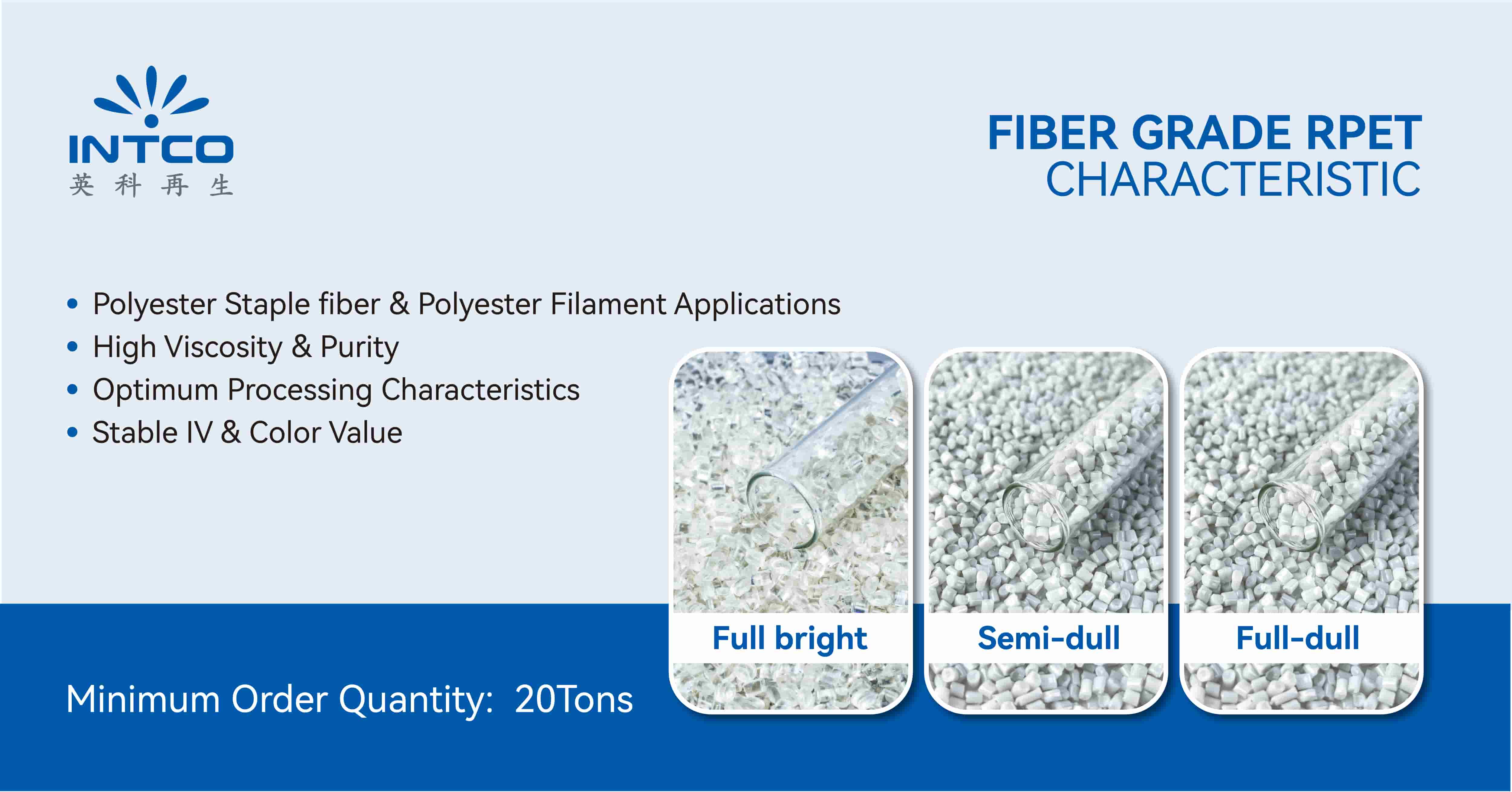
As a leading recycled fiber-grade PET pellets manufacturer, INTCO Plastics offers a stable supply of high-quality rPET pellets to meet the demands of the textile industry. By utilizing advanced recycling technologies, INTCO Plastics ensures that their recycled PET pellets is of the highest quality, providing textile manufacturers with a sustainable and cost-effective material option.Whether you are producing apparel, upholstery, or outdoor gear, INTCO Plastics provides reliable recycled PET pellets that supports your commitment to sustainability while maintaining excellent performance standards.
The Future of Recycled PET Pellets in the Textile Industry
The textile industry is increasingly turning to recycled materials like PET to meet the growing demand for sustainable products. As technology improves and recycling processes become more efficient, the use of recycled PET pellets in textiles will continue to rise. Innovations in the recycling process, such as better sorting technologies and more advanced methods for breaking down plastic waste, will help expand the availability and use of recycled PET pellets.Conclusion
The journey of recycled PET pellets from plastic bottles to high-quality textile fibers is an inspiring example of how circular economy principles can transform industries. By repurposing plastic waste into valuable textile materials, the fashion and textile sectors are making great strides in sustainability.As companies and consumers become more aware of the need for eco-friendly alternatives, the demand for recycled PET will likely continue to grow. With partners like INTCO Plastics, the transition to a more sustainable textile industry is not only possible but well underway. Through the use of recycled PET, the industry is reducing plastic waste, lowering environmental impact, and providing consumers with durable, high-quality products.