

The plastic landscape is shifting. For decades, Virgin PET (Polyethylene Terephthalate) has been the gold standard for packaging due to its clarity, strength, and low cost. However, as global awareness of plastic pollution peaks and "sustainability" moves from a marketing buzzword to a business mandate, a new contender has taken the lead: rPET (Recycled PET).
From beverage giants to luxury fashion houses, brands are aggressively pivoting away from "new" plastic. But what exactly is the difference, and why is this switch happening now?
Understanding the Basics: Virgin PET vs. rPET
Before diving into the "why," let’s clarify the "what."- Virgin PET: Produced directly from fossil fuels (crude oil and natural gas). It is "virgin" because it is being used for the first time.
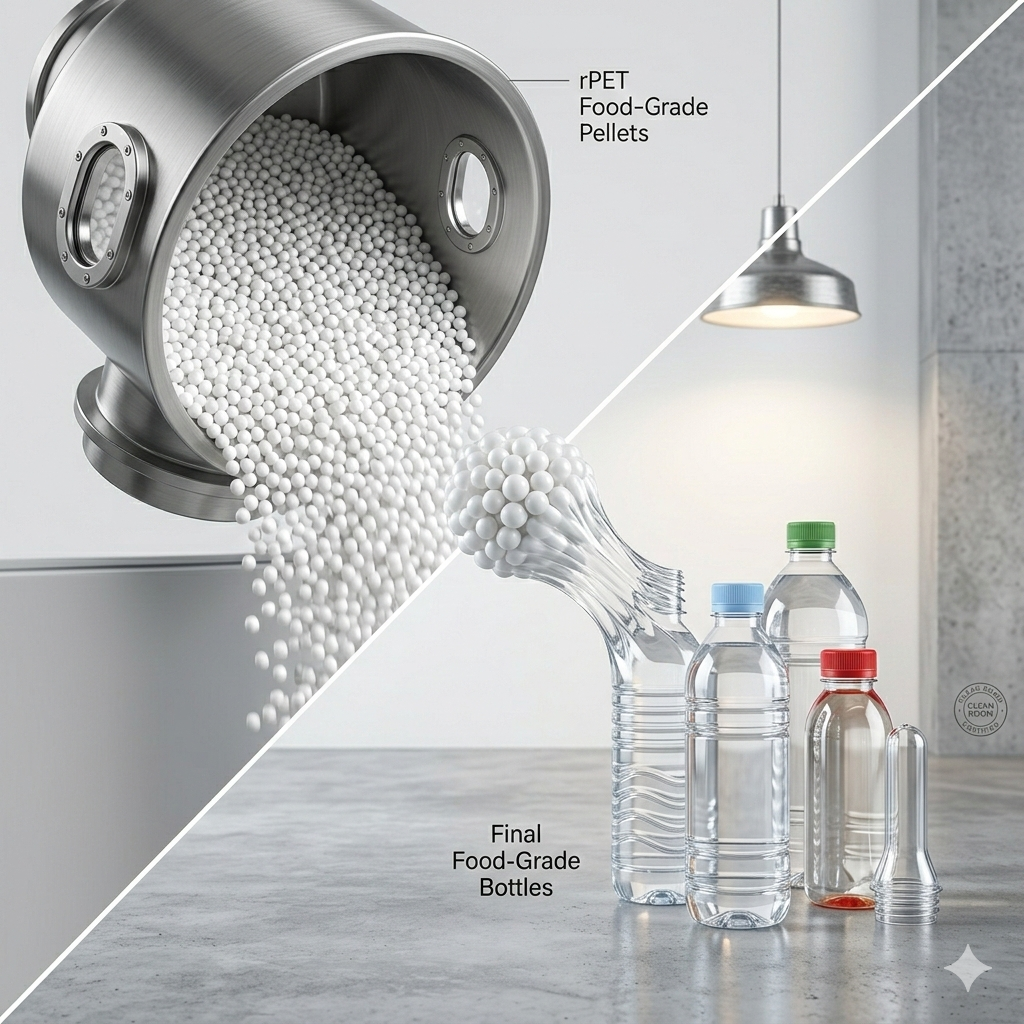
- rPET (Recycled PET): Created by collecting, cleaning, and grinding post-consumer PET plastic (like water bottles) into flakes or pellets, which are then processed into new products.
| Feature | Virgin PET | rPET (Recycled PET) |
| Source | Fossil Fuels | Post-consumer Waste |
| Carbon Footprint | High | Significantly Lower |
| Circular Economy | Linear (Take-Make-Waste) | Circular (Reuse-Recycle) |
| Clarity | Perfectly Clear | Very clear (slight tint possible) |
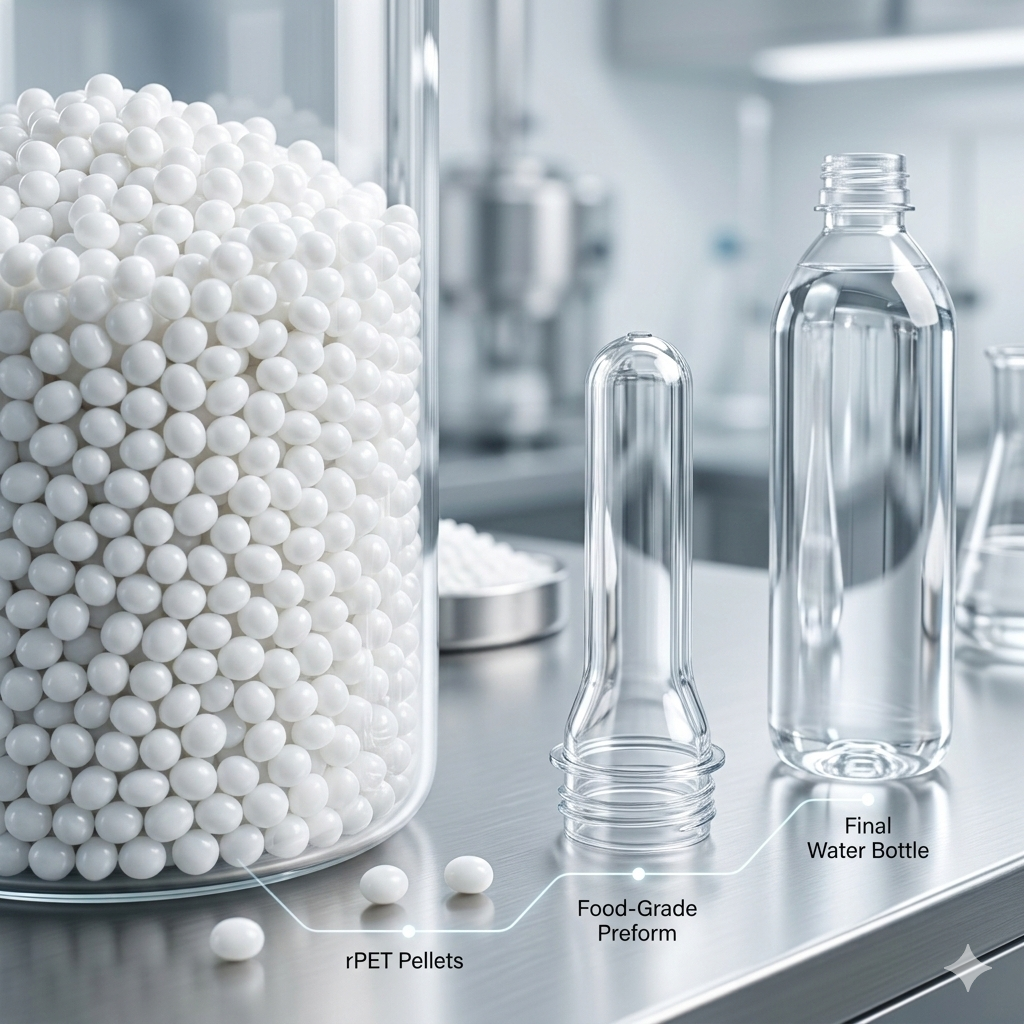
Why Brands are Making the Switch
The transition to rPET isn't just about "doing the right thing"; it’s a strategic move driven by several critical factors.-
Drastic Reduction in Carbon Footprint
-
Meeting Consumer Demand
-
Navigating the Regulatory Minefield
- Plastic Taxes: Countries like the UK and several EU nations have introduced taxes on plastic packaging containing less than 30% recycled content.
- Mandatory Recycled Content: New regulations are increasingly requiring a minimum percentage of rPET in beverage bottles by 2030.
-
Supporting the Circular Economy
The Challenges: It’s Not Always Smooth Sailing
While the benefits are clear, the transition to 100% rPET comes with hurdles:- Cost Volatility: Currently, rPET can sometimes be more expensive than virgin PET due to the high costs of collection and processing.
- Supply Scarcity: There is a global shortage of high-quality, food-grade rPET. Brands are often competing for a limited supply.
- Aesthetics: Achieving 100% clarity in rPET is technically more difficult than with virgin plastic, though technology is rapidly closing this gap.