

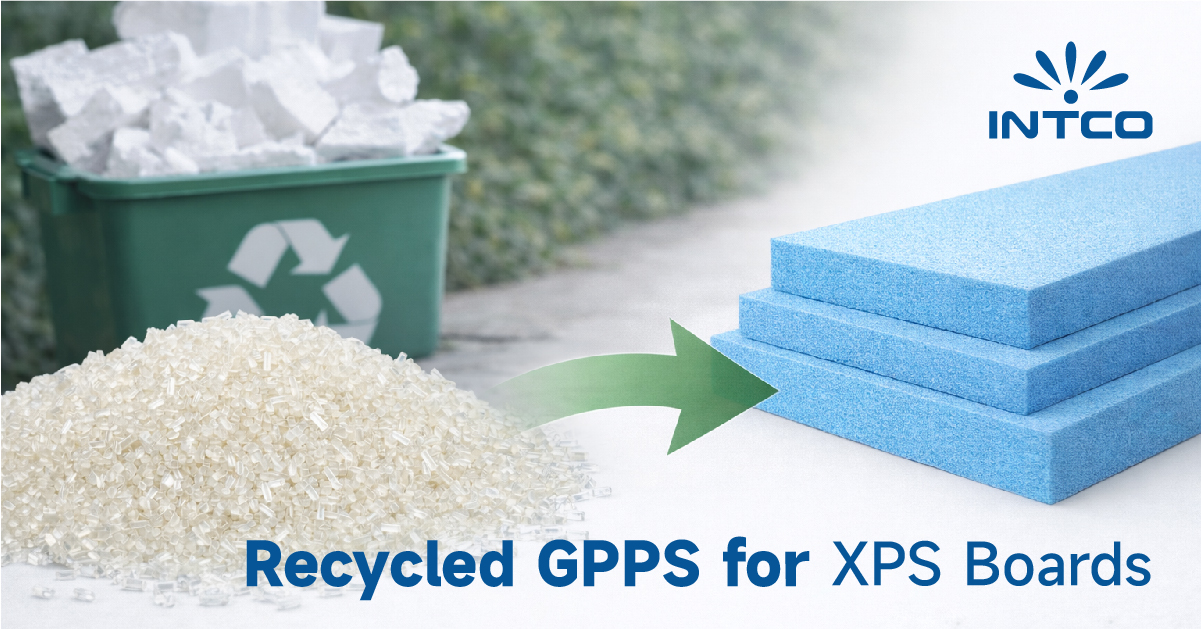
In the rapidly evolving landscape of the global plastics industry, the demand for sustainable material solutions has transitioned from a niche trend to a core operational necessity. For manufacturers of Extruded Polystyrene (XPS) insulation boards, securing a reliable, high-quality RPS supply is not just a choice—it is the cornerstone of maintaining competitive production costs, meeting stringent environmental regulations, and aligning with the circular economy goals that now define the construction and packaging sectors.
The Critical Role of RPS in Modern XPS Production
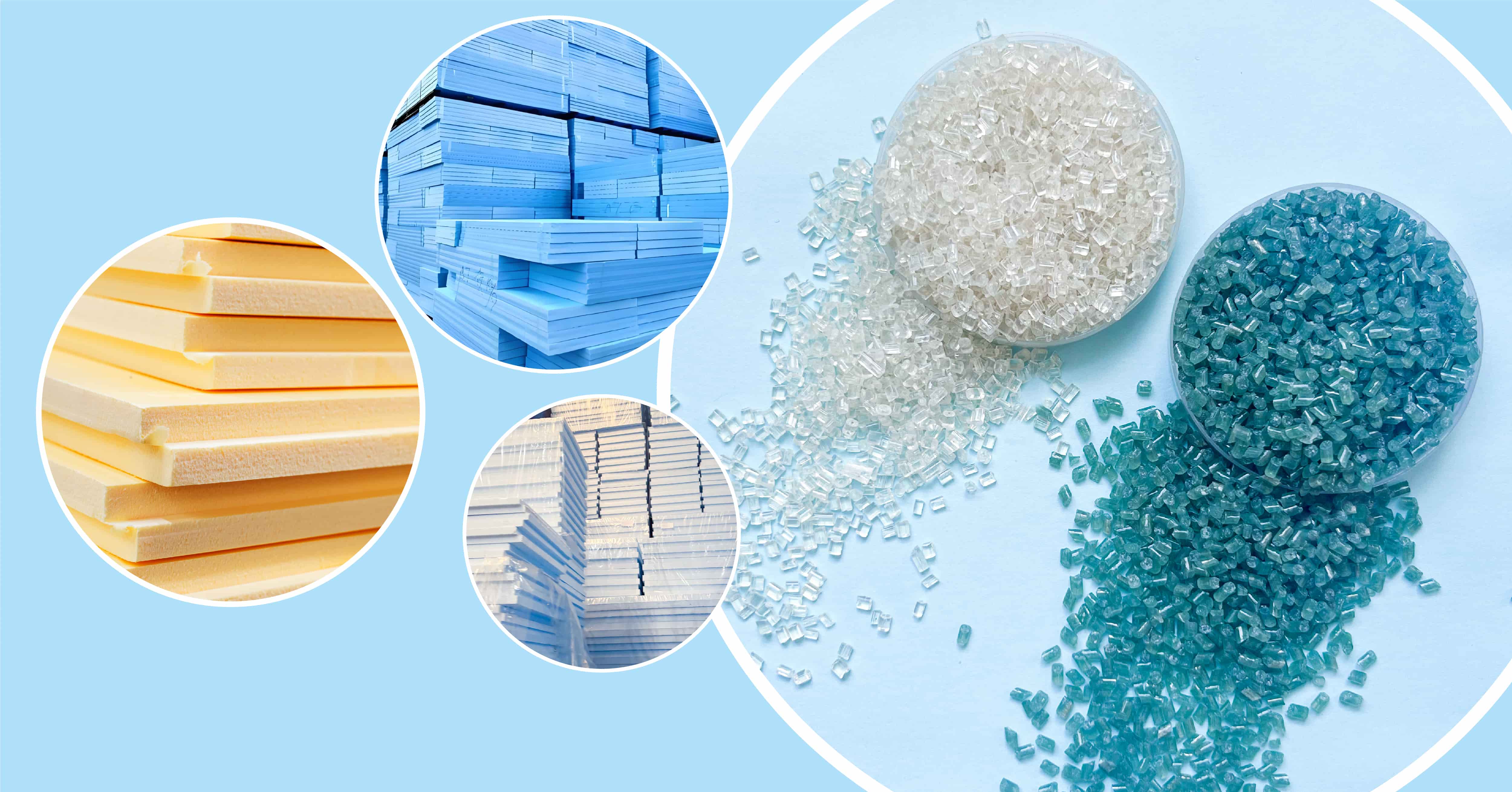
Extruded Polystyrene (XPS) foam remains an indispensable material in modern infrastructure, prized for its superior thermal resistance, low moisture absorption, and structural durability—qualities that make it a top choice for insulation boards, packaging solutions, and construction applications worldwide. However, as global sustainability mandates tighten and eco-conscious consumers drive market demand, the industry faces mounting pressure to integrate high-quality recycled polystyrene (RPS) into core manufacturing processes.The key challenge for XPS producers lies in balancing environmental responsibility with production reliability. Not all recycled polystyrene is created equal; to seamlessly integrate into XPS extrusion lines, RPS pellets must meet non-negotiable performance benchmarks:
- Melt Flow Rate (MFR) Stability: Ensures uniform foaming during extrusion, eliminating defects like uneven density or surface irregularities in finished XPS boards.
- Low Impurity Levels: Minimizes the risk of filter clogging and equipment wear, safeguarding continuous production runs and preserving the structural integrity of insulation panels.
- Batch Consistency: Guarantees predictable performance across every production lot, critical for large-scale XPS lines where quality variance directly impacts project outcomes and client trust.
Bridging the Gap: 100,000-Ton Annual Capacity for Uninterrupted Supply
A top concern for large-scale XPS manufacturers is the volatility of the recycled material market. Small-scale RPS suppliers often struggle with inconsistent output, limited storage capacity, and fluctuating quality, leading to costly production delays, disrupted project timelines, and compromised product consistency. These pain points are amplified during peak construction seasons or global supply chain disruptions, where even short-term supply gaps can derail operations.Our 100,000-ton annual production capacity directly addresses this vulnerability, offering a strategic supply chain solution tailored to the needs of global XPS manufacturers. This scale of operation delivers three core advantages that redefine RPS supply reliability:
- Supply Chain Security: Massive annual output ensures large-volume, long-term orders are fulfilled promptly—even during periods of high market demand. We eliminate the risk of supply shortages, providing XPS producers with the stability to meet client commitments and scale operations confidently.
- Uniform Batch Quality: Large-scale manufacturing enables rigorous homogenization of recycled materials, reducing batch-to-batch variation to near zero. Our RPS pellets deliver consistent MFR, purity, and physical properties, ensuring seamless integration into your extrusion lines and minimizing production downtime from material adjustments.
- Cost Efficiency: Economies of scale in recycling, pelletizing, and distribution optimize operational costs, allowing us to offer competitive pricing without compromising on quality. For XPS manufacturers, this translates to lower raw material expenses and improved profit margins in a competitive market.
Quality Assurance: Global Certifications for Trust and Compliance
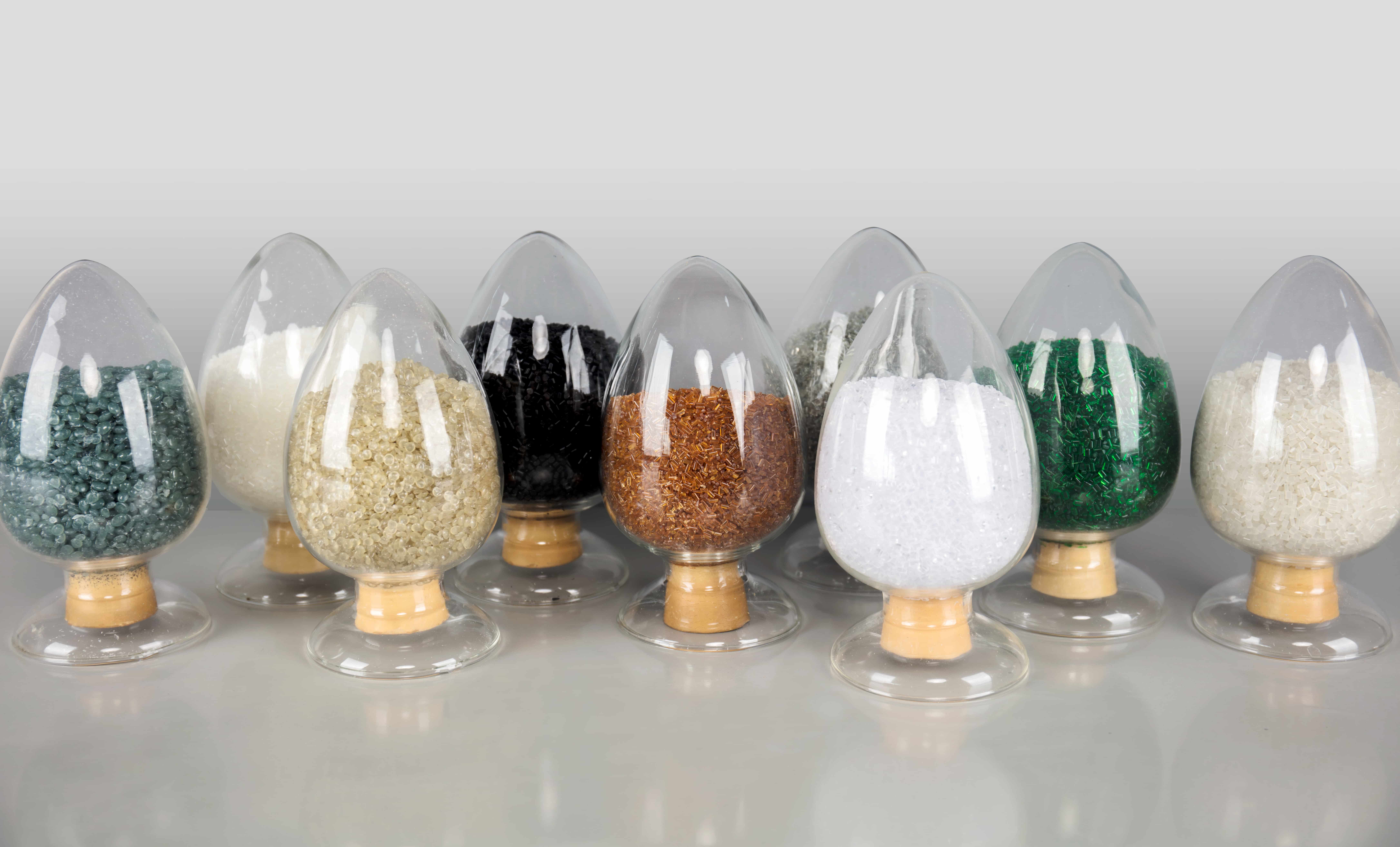
In international markets—particularly across Europe, North America, and Asia-Pacific—technical specifications are only as credible as the compliance frameworks that back them. High-quality RPS pellets must adhere to global standards to qualify for sustainable procurement programs, meet regulatory requirements, and earn the trust of eco-conscious clients.Our RPS pellets are validated by a comprehensive suite of industry-leading certifications, ensuring full transparency and compliance for global XPS production:
- GRS (Global Recycled Standard): Verifies the authenticity of recycled content, ethical manufacturing practices, and responsible supply chain management—an essential credential for clients seeking to validate their sustainability claims.
- REACH & ISO Standards: Compliant with EU REACH regulations (chemical safety) and ISO 9001 (quality management systems) / ISO 14001 (environmental management systems), ensuring consistent quality and minimal environmental impact across all production stages.
- Industry-Specific Safety Certifications: Meeting BRC (British Retail Consortium) and FSSC 22000 standards, our RPS pellets are safe for use in food-contact packaging applications, expanding the market reach of your XPS products to include food-grade packaging solutions.
Driving the Circular Economy: A Strategic Partnership for 2026 and Beyond
The transition to recycled polystyrene is more than a regulatory requirement—it is a strategic investment in a low-carbon, sustainable future. For XPS manufacturers, integrating high-quality RPS pellets into production processes delivers tangible business and environmental benefits:
- Reduced Carbon Footprint: RPS-based XPS insulation lowers life cycle assessment (LCA) values by up to 30% compared to virgin polystyrene, helping clients meet ESG (Environmental, Social, and Governance) goals and appeal to sustainability-focused developers and investors.
- Market Differentiation: As green building codes and circular economy policies expand globally, RPS-integrated XPS products position your brand as an industry leader in responsible manufacturing, opening doors to new markets and long-term client partnerships.