

As sustainability becomes a core priority across global manufacturing, recycled polyethylene terephthalate (rPET) is gaining strong attention from textile producers, packaging manufacturers, and brands seeking lower-impact materials. Among recycled PET materials, recycled PET fiber-grade pellets have become an important solution for companies looking to reduce plastic waste, support circular economy goals, and maintain reliable performance in downstream applications.
Today, the recycled PET market is no longer driven only by environmental messaging. It is increasingly shaped by policy requirements, brand sustainability commitments, supply chain stability, and cost-performance considerations. For manufacturers, high-quality recycled PET fiber-grade granules offer a practical material option that connects environmental responsibility with scalable industrial production.
The Current Recycled PET Market: Demand Is Becoming More Structural
The recycled PET market has entered a more mature stage. Demand is supported by several major factors, including plastic waste reduction policies, extended producer responsibility schemes, recycled-content targets, and growing consumer preference for sustainable products.Packaging remains one of the strongest demand drivers for recycled PET, while textile and fiber applications continue to represent an important downstream segment. As more brands commit to reducing virgin plastic use, demand for stable and high-quality recycled PET materials is expected to remain strong.
At the same time, the market still faces challenges. Collection rates, feedstock quality, price fluctuations, and consistency of recycled materials remain key concerns for manufacturers. This is why reliable recycled PET fiber-grade pellets with stable quality and consistent processing performance are becoming increasingly valuable.
Why Recycled PET Fiber-Grade Pellets Matter for Textiles
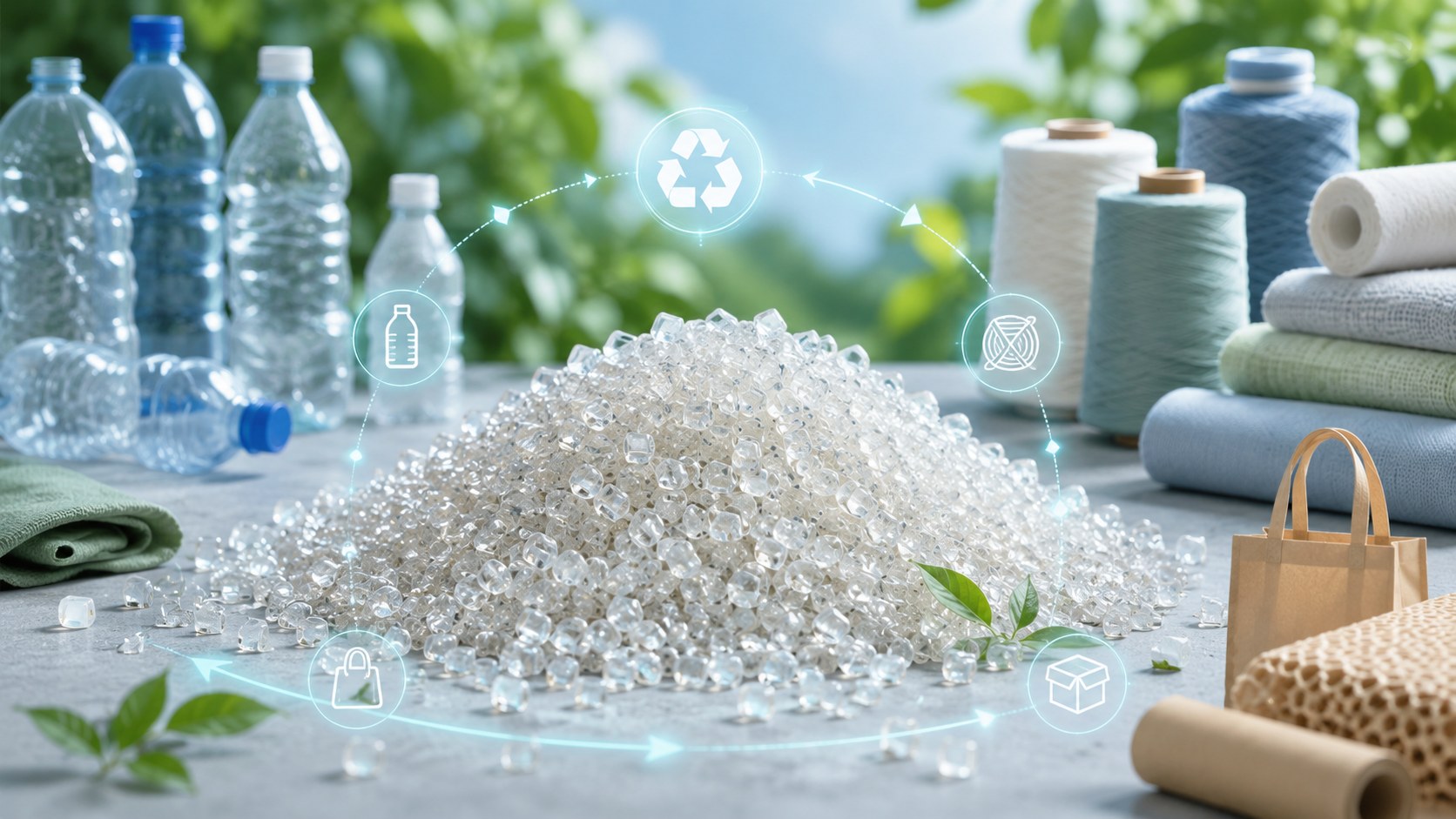
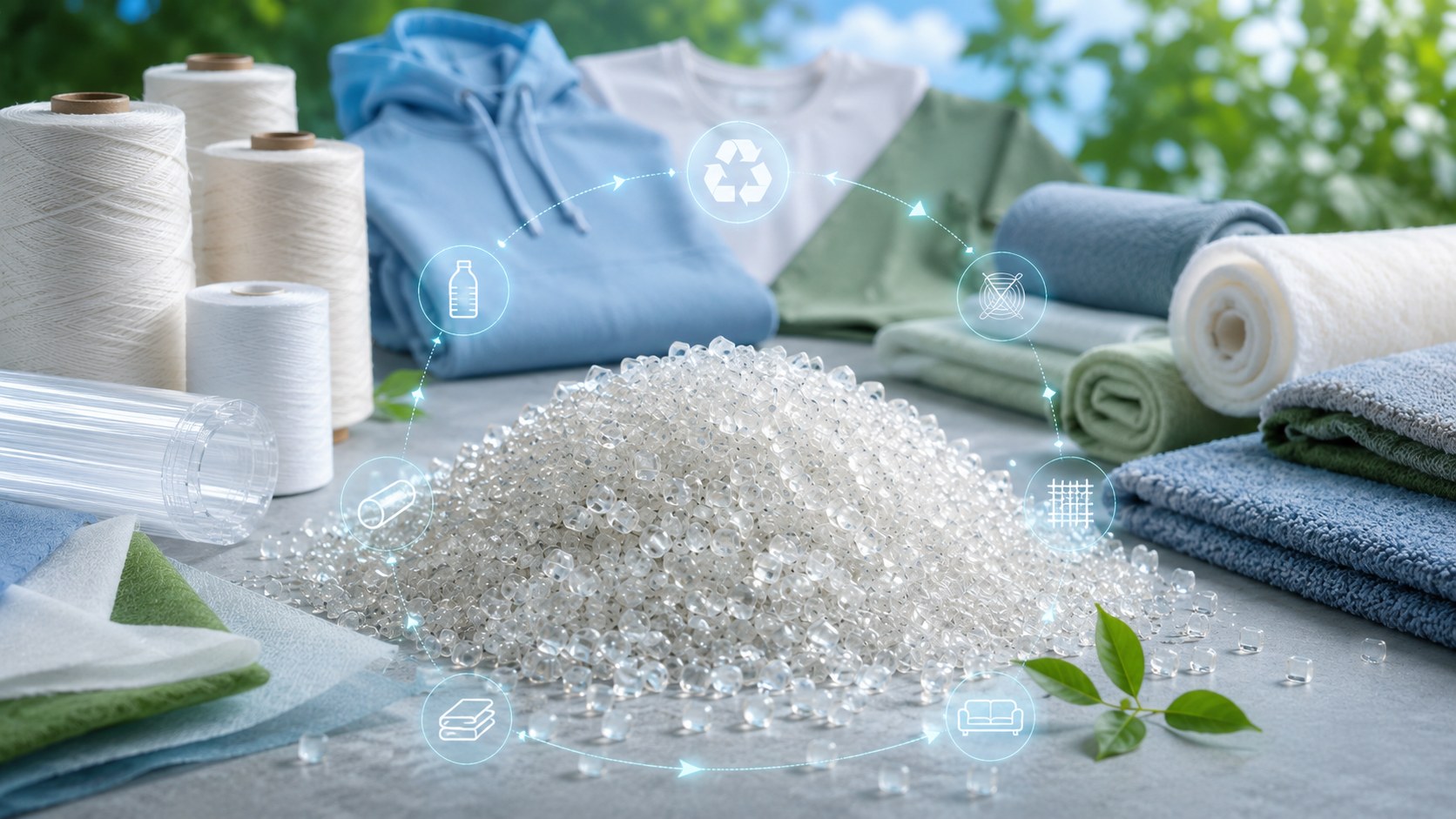
Polyester remains one of the most widely used fibers in the global textile industry. However, traditional polyester relies heavily on fossil-based virgin PET. Recycled PET fiber-grade pellets provide an alternative route by converting post-consumer PET bottles and other PET sources into polyester fibers for apparel, home textiles, carpets, upholstery, non-woven fabrics, and industrial textiles.For textile manufacturers, recycled PET fiber-grade granules offer several practical advantages. They can be used in fiber spinning and extrusion processes, help reduce dependence on virgin fossil-based materials, and support sustainability claims for finished textile products.
In many applications, rPET pellets are valued not only for their recycled content, but also for their versatility. They can be processed into fibers for soft apparel, durable carpets, filling materials, non-woven fabrics, and other functional textile products.
As fashion, home furnishing, and industrial textile sectors continue to look for greener material solutions, recycled PET fiber-grade pellets are becoming a key material choice for companies seeking both performance and sustainability.
Recycled PET in Packaging: A Strong Market Driver
Although this article focuses on fiber-grade materials, packaging remains one of the strongest demand drivers for the broader recycled PET market. Food and beverage packaging, personal care packaging, non-woven bags, protective packaging, and industrial packaging applications are all contributing to rising demand for recycled PET materials.This packaging-driven demand also affects the fiber-grade recycled PET market. When bottle-grade or food-grade recycled PET demand increases, competition for high-quality feedstock may become stronger. As a result, manufacturers in textile and fiber industries need dependable suppliers who can provide stable-quality recycled PET fiber-grade pellets and consistent delivery.
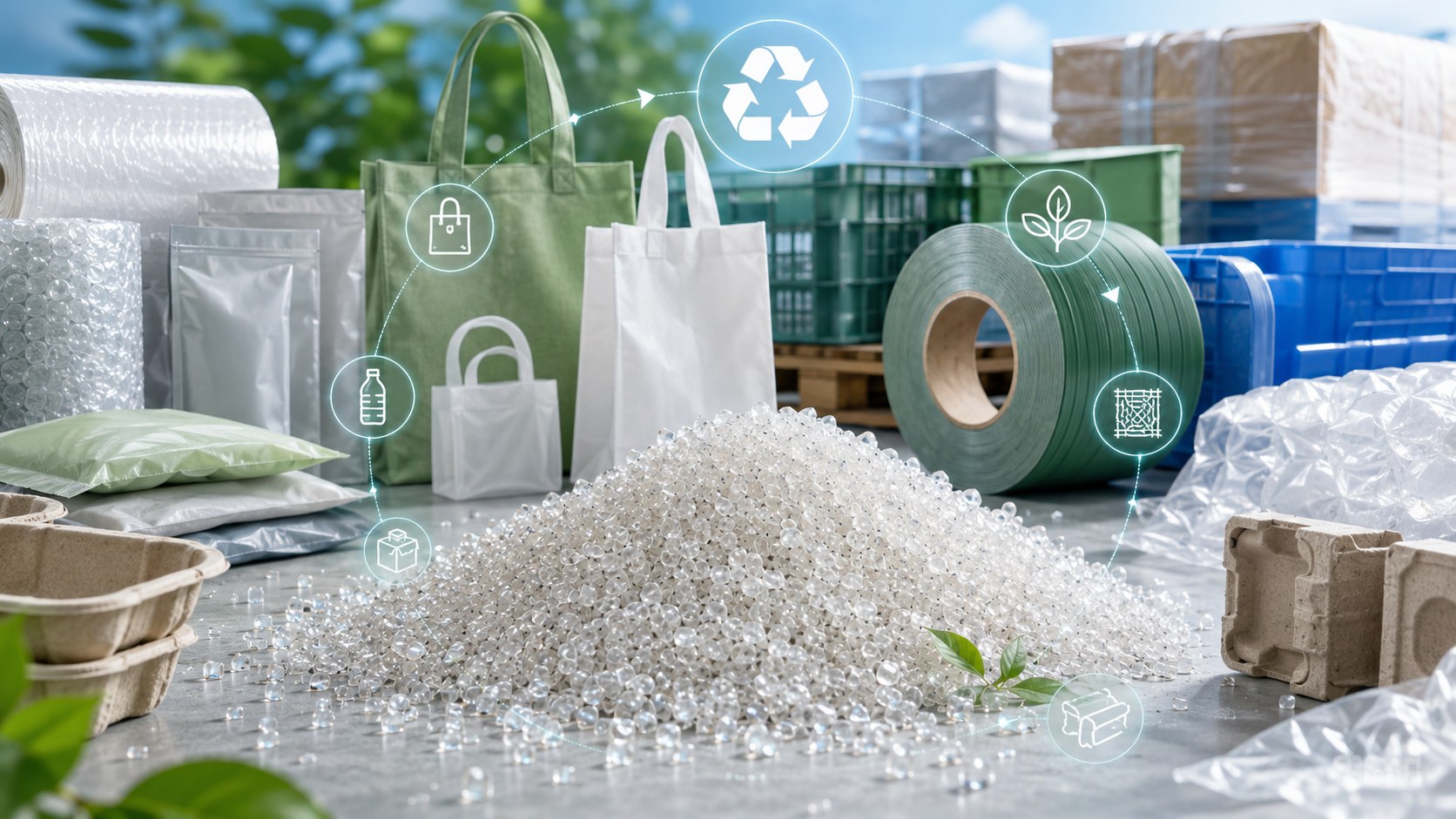
For packaging-related applications such as non-woven bags, protective materials, laminated packaging, and industrial packaging components, recycled PET fiber-grade granules can support both sustainability goals and practical production needs.
Market Conditions: Opportunities and Challenges
The recycled PET industry is expected to continue growing, but the market is not without pressure. Demand from packaging, textiles, and industrial applications supports long-term market potential, while feedstock availability, quality variation, and price gaps between virgin PET and recycled PET continue to influence purchasing decisions.Key opportunities include growing recycled-content regulations, rising demand from sustainable textiles and packaging, brand commitments to reduce virgin plastic usage, expansion of recycling infrastructure, and higher consumer acceptance of recycled materials.
Key challenges include inconsistent post-consumer bottle collection, quality variation in recycled feedstock, competition between bottle-to-bottle and bottle-to-fiber recycling, price fluctuations, and the need for better sorting, washing, and processing technology.
For buyers, these conditions make supplier selection more important. A reliable supplier of recycled PET fiber-grade pellets should offer not only recycled content, but also stable intrinsic viscosity, consistent color, low impurity levels, and reliable processing performance.
Why Recycled PET Fiber-Grade Pellets Are the Sustainable Choice
Recycled PET fiber-grade pellets are sustainable not simply because they are recycled, but because they help create value from existing plastic resources. Instead of allowing used PET bottles to become waste, recycling transforms them into useful raw materials for textiles, packaging, and industrial products.-
They Support Plastic Waste Reduction
-
They Reduce Dependence on Virgin PET
-
They Fit Multiple Downstream Applications
-
They Respond to Market and Policy Trends
-
They Balance Sustainability and Performance
INTCO's Recycled PET Fiber-Grade Pellets
As a recycled PET material supplier, INTCO provides high-quality recycled PET fiber-grade pellets designed for downstream applications such as textile fibers, non-woven fabrics, packaging materials, and other industrial uses.INTCO's recycled PET fiber-grade granules are developed to support manufacturers that need both sustainability and reliable production performance. With a focus on material consistency, clean processing, and practical application value, INTCO helps customers transform recycled PET into high-value finished products.
Key advantages of INTCO’s recycled PET fiber-grade pellets include:
- Consistent quality for stable fiber extrusion and downstream processing.
- Clear, water-strand-cut pellet appearance with angular edges and practical industrial usability.
- Eco-friendly recycled content that supports circular economy goals.
- Wide application potential in textiles, non-woven products, packaging, and industrial materials.
- Reliable B2B supply support for manufacturers seeking sustainable raw materials.
Conclusion
The recycled PET market is entering a new stage where sustainability, regulation, supply security, and product performance are closely connected. For textile and packaging manufacturers, recycled PET fiber-grade pellets offer a practical and scalable solution to reduce virgin plastic dependence, support circular economy goals, and respond to changing market expectations.As demand for recycled materials continues to grow, choosing a reliable supplier will become increasingly important. With high-quality recycled PET fiber-grade granules, INTCO helps manufacturers turn sustainability into real production value.